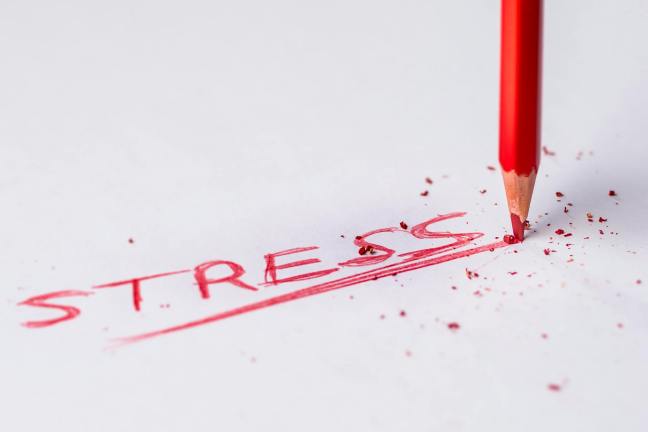
Cortisol has taken centre stage in discussions within the wellness community, often linked to various health issues ranging from weight gain to sleep disturbances. Understanding this hormone is crucial before diving into strategies to manage its levels. Cortisol, a steroid hormone produced by the adrenal glands, plays a vital role in our daily functioning. It helps us wake up, cope with stress, regulate metabolism, and even save our lives in threatening situations. However, like many things in life, too much cortisol can be harmful.
Excessive cortisol production, as seen in conditions like Cushing’s syndrome, can have serious health implications. While some online discussions may focus on everyday stressors rather than medical conditions, it’s essential to recognize the signs and symptoms that warrant medical attention.
Stress, both physical and psychological, triggers cortisol release. In our modern world, where stressors have evolved beyond physical threats, our bodies often struggle to differentiate between genuine danger and everyday pressures. Recent studies have shown significant increases in cortisol levels, particularly during challenging times like the pandemic.
Recognizing the signs of high cortisol levels is crucial. While symptoms like weight gain, anxiety, and irregular periods may indicate elevated cortisol, they can also stem from other underlying issues. Understanding the interplay between stress, cortisol, and health outcomes is key to effective management.
Fortunately, there are strategies to lower cortisol levels and mitigate the impact of stress on our bodies. Mindfulness practices, such as meditation and relaxation techniques, have been shown to be effective in reducing cortisol levels. Engaging in activities that promote relaxation and connection, such as spending time with loved ones or engaging in hobbies, can also help counteract the effects of stress.
Exercise is another powerful tool in cortisol management. While high-intensity exercise may temporarily raise cortisol levels, consistent physical activity has been shown to lower overall cortisol levels over time. Finding a balance between intensity and recovery is essential for maximizing the stress-reducing benefits of exercise.
To summarise, controlling cortisol levels is an essential aspect of sustaining overall health and wellness. Understanding the elements that drive cortisol production and using effective stress management practices will allow us to take control of our health and live more balanced lives.
 Unique observer 24