UK, US, and Australia Monitor New Covid Variants Amid Surge in Cases

Covid Variant

Global health authorities are closely monitoring the emergence of two new Covid variants amidst a surge in cases across the UK, US, and Australia. In response to rising infections, hospitals in the UK have reintroduced mask mandates as they contend with capacity challenges in Covid wards.

The spike in cases has been linked to variants dubbed FLiRT KP2 and JN1. However, health experts have now identified two additional variants, FLuQE and de-FLiRT, which are under scrutiny, particularly in regions experiencing heightened Covid activity such as Australia.

John Gerrard, Queensland’s chief health officer, underscored the importance of vigilance as his state battles a winter-driven surge exacerbated by the FLuQE variant. In the US, reports indicate rapid transmission of FLuQE, adding to concerns about containment efforts.

Australia, grappling with Covid becoming the third leading cause of death for the first time in half a century, is intensifying efforts to curb the spread. The resurgence of Covid has prompted renewed public health measures and renewed urgency in vaccine campaigns.

In the UK, recent data shows a significant 33.5% week-on-week rise in confirmed Covid cases, prompting authorities to urge enhanced precautions and vaccination uptake to mitigate further spread.

As the global community confronts these new challenges posed by evolving variants, health officials stress the importance of ongoing surveillance and swift response to mitigate the impact on public health and healthcare systems.

Mastering Cortisol: A Guide to Lowering Stress Hormone Levels

Cortisol has taken centre stage in discussions within the wellness community, often linked to various health issues ranging from weight gain to sleep disturbances. Understanding this hormone is crucial before diving into strategies to manage its levels. Cortisol, a steroid hormone produced by the adrenal glands, plays a vital role in our daily functioning. It helps us wake up, cope with stress, regulate metabolism, and even save our lives in threatening situations. However, like many things in life, too much cortisol can be harmful.

Excessive cortisol production, as seen in conditions like Cushing’s syndrome, can have serious health implications. While some online discussions may focus on everyday stressors rather than medical conditions, it’s essential to recognize the signs and symptoms that warrant medical attention.

Stress, both physical and psychological, triggers cortisol release. In our modern world, where stressors have evolved beyond physical threats, our bodies often struggle to differentiate between genuine danger and everyday pressures. Recent studies have shown significant increases in cortisol levels, particularly during challenging times like the pandemic.

Recognizing the signs of high cortisol levels is crucial. While symptoms like weight gain, anxiety, and irregular periods may indicate elevated cortisol, they can also stem from other underlying issues. Understanding the interplay between stress, cortisol, and health outcomes is key to effective management.

Fortunately, there are strategies to lower cortisol levels and mitigate the impact of stress on our bodies. Mindfulness practices, such as meditation and relaxation techniques, have been shown to be effective in reducing cortisol levels. Engaging in activities that promote relaxation and connection, such as spending time with loved ones or engaging in hobbies, can also help counteract the effects of stress.

Exercise is another powerful tool in cortisol management. While high-intensity exercise may temporarily raise cortisol levels, consistent physical activity has been shown to lower overall cortisol levels over time. Finding a balance between intensity and recovery is essential for maximizing the stress-reducing benefits of exercise.

To summarise, controlling cortisol levels is an essential aspect of sustaining overall health and wellness. Understanding the elements that drive cortisol production and using effective stress management practices will allow us to take control of our health and live more balanced lives.

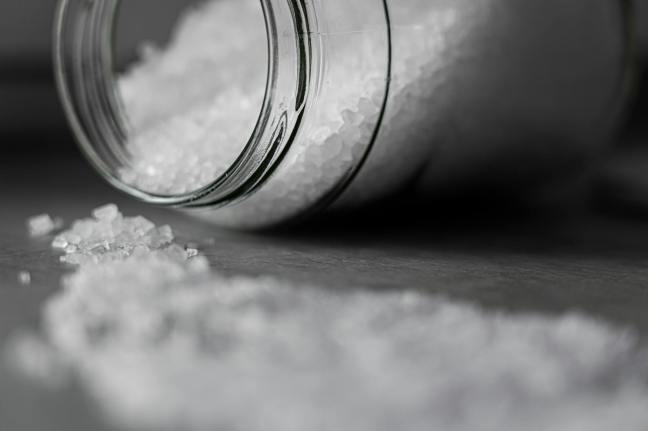
Reducing your salt intake as a ‘healthy’ habit could have negative consequences.

Several studies have discovered that consuming a low-salt diet containing approximately 2,200 milligrammes of sodium per day is sufficient to cause sodium depletion.

Salt has long been a contentious food element in the area of fitness and health. While sodium is a vital component of our bodies, excessive consumption can have an impact on cholesterol levels, blood pressure, heart health, and other factors. In fact, our understanding of salt and its impact is always evolving. But did you know that reducing salt intake can have a detrimental influence on your health?

Dr. James DiNicolantonio, a cardiovascular research expert, posted a video on Instagram describing why even too little salt can be hazardous for you. According to him, it may disrupt your sleep, causing you to toss and turn in bed all night long.

Relationship Between Salt and Sleep: How Does a Low-Sodium Diet Affect Your Sleep Pattern?

According to Dr DiNicolantonio, “People that were put on a low salt diet, because of the activation of the sympathetic nervous system, had a worsening in their sleep. So, we know that actually from a clinical perspective, this increase in the sympathetic nervous system is a true stress response and can affect sleep.” He went on to explain that multiple studies have shown that having a low-salt diet containing roughly 2,200 milligrammes of sodium per day is adequate to cause sodium depletion, which increases tension in the body and affects sleep patterns.

A study published in the Journal of Clinical Endocrinology and Metabolism found that a reduced sodium diet is associated with disrupted sleep patterns, namely decreased rapid eye movement, slow wave sleep, and increased alertness.

“These sleep changes are similar to those seen in normal-aged adults, who also undergo elevations of daytime and nighttime plasma norepinephrine,” the study read.

Dr. DiNicolantonio also highlighted that, in addition to hurting our sleep, a low sodium diet can decrease bone health by removing vital minerals from the body, such as calcium and magnesium.

While healthcare professionals never recommend adding too much salt/sodium to your diet, they do suggest eating it in moderation to maintain a healthy physique. I recommend that you visit an expert to determine how much salt you can add to your diet on a daily basis for better health.

Study: Omega-6 unsaturated fats could lessen the risk of bipolar disorder

Omega-6 fatty acids, which are typically found in eggs, poultry, and seafood, may lessen the risk of bipolar illness, according to a world-first study conducted by the University of South Australia.

Using Mendelian randomization, an effective causal inference method, researchers analysed 913 metabolites in 14,296 Europeans and discovered 33 (mainly lipids) correlated with the risk of bipolar disorder.

Mendelian randomization (MR) is an instrumental variable estimation method that utilizes germline genetic variation, typically in the form of single nucleotide polymorphisms (SNPs), as a proxy for a putative exposure. This approach aims to test and estimate the causal effect of exposure on an outcome using observed data.

Bipolar disorder is a severe mood illness defined by recurrent periods of mania and depression. Although the exact cause is unknown, previous research has revealed that bipolar disorder is highly heritable. If a parent develops bipolar, a child has a one in ten likelihood of developing the disorder.

One in every eight individuals worldwide suffers from a mental illness, with around 40 million suffering from bipolar disorders. Nearly 3% of Australians (568,000 over the age of 16) suffer from bipolar disorder.

Dr. David Stacey, the chief researcher, said the new findings pave the way for innovative potential lifestyle or nutrition therapies.

“There’s growing evidence to suggest that metabolites play a key role in bipolar and other psychiatric disorders,” Dr. Stacey says.

“This is extremely encouraging, because if we can find factors that connect certain health conditions, we can identify ways to negate these through potential lifestyle or dietary interventions.

“In this study, we found that a genetic propensity for higher levels of lipids containing arachidonic acid* led to a lower risk of bipolar disorder. And conversely, lower levels of arachidonic acid had a higher risk for bipolar disorder.

“Arachidonic acid can be sourced directly from meat and seafood products or synthesized from dietary linoleic acid (such as nuts, seeds, and oils). But it is also present in human milk, so it is considered essential for infant brain development.

“In fact, in many countries, arachidonic acid is added to infant formula to ensure a child gets the best start to life. So, there is certainly potential to boost this through supplements for people at greater risk of bipolar disorder.

“The challenge is, however, that while we know that arachidonic acid is involved in early brain development, it’s unclear whether supplementation for bipolar disorder should occur perinatally, during early life, or even whether it would benefit those already diagnosed.”

Professor Elina Hyppönen, who co-authored the study, believes that preclinical research and randomised controlled trials are necessary to evaluate the preventative or therapeutic effectiveness of arachidonic acid supplements in the treatment of bipolar disorder.

We need further studies to rigorously assess the potential for arachidonic acid supplementation in bipolar disorder prevention and treatment, particularly in people who carry genetic risks. While our findings support potential avenues for precision health interventions for early life nutrition for babies’ brain development, we need to know more about the connection with bipolar disorder. If we can establish how, why and when people respond to arachidonic acid supplementation, then we will be one step closer to helping people who are struggling with this serious and lifelong mental health condition.”

Professor Elina Hyppönen

Source: University of South Australia

Journal reference:

Stacey, D., et al. (2024). A metabolome-wide Mendelian randomization study identifies dysregulated arachidonic acid synthesis as a potential causal risk factor for bipolar disorder. Biological Psychiatrydoi.org/10.1016/j.biopsych.2024.02.1005

Vietnamese Man Undergoes Surgery to Remove 12-Inch Eel from Abdomen

Recently, a 34-year-old man in Vietnam underwent surgery to remove a 12-inch live eel that was discovered in his gut. The man complained of acute abdominal pain at the Hai Ha District Medical Centre in Quang Ninh Province on March 20, which is when the incident happened, according to Vietnamese media.

The man was in so much pain that he was having trouble explaining his symptoms to the medical staff, so they started diagnostic tests right once. An unknown object was found trapped in his abdomen, as determined by X-ray and ultrasound tests.

Subsequently, emergency surgery was conducted, revealing a 30-centimeter long living eel that had entered the man’s body through the rectum. The eel had traversed the colon, causing intestinal perforations and peritonitis. Medical professionals successfully removed the eel and repaired damaged tissues in the intestines during the procedure.

Commenting on the operation, Dr. Pham Manh Hung, Head of the Department of Surgery at Hai Ha District Medical Center, acknowledged the risks involved. He highlighted concerns regarding potential infections due to the high contamination risk in the rectal area and the delicate nature of operating near the bottom of the intestine.

Despite these challenges, the surgery was deemed a success, and the patient is reportedly recovering well. Dr. Hung emphasized the rarity of such cases and expressed gratitude for the positive outcome, stating, “This is a rare case. The rectum is a highly contaminated area, and infections are a major concern. Thankfully, the surgery was successful.”

The Power of “No”: Setting Boundaries to Achieve Your Goals

How often do you say “no” to things that would interfere with your goals?

Dear Goal-Seekers,

In the pursuit of our dreams and aspirations, one of the most powerful words in our arsenal is often the simplest: “No.” Yet, despite its potential to safeguard our time, energy, and focus, many of us struggle to wield this two-letter weapon effectively. Today, let’s explore the importance of saying “No” and how it can serve as a strategic tool for safeguarding our goals and priorities.

Honoring Your Priorities

At the core of saying “No” lies the recognition that our time and energy are finite resources. Every “Yes” we utter is a commitment, a choice to allocate precious resources towards a particular endeavor. By saying “No” to tasks, activities, or commitments that detract from our goals, we reclaim ownership of our time and honor our priorities with unwavering conviction.

Setting Boundaries

Saying “No” is not a sign of weakness; it’s an act of self-care and boundary-setting. It’s about recognizing our limits and respecting our needs, whether they be physical, emotional, or mental. By establishing clear boundaries and asserting our right to say “No,” we protect ourselves from burnout, overwhelm, and the insidious erosion of our well-being.

Maintaining Focus and Momentum

Every time we say “Yes” to a new opportunity or obligation, we dilute our focus and scatter our energy. Conversely, by judiciously saying “No” to distractions and detours, we maintain a laser-like focus on our goals and priorities. We create space for deep work, uninterrupted concentration, and the sustained momentum necessary for meaningful progress.

Cultivating Intentional Living

Saying “No” is an affirmation of intentional living – a conscious choice to align our actions with our values and aspirations. It’s about discerning between what is merely urgent and what is genuinely important. By practicing selective saying “No,” we cultivate a life of purpose, meaning, and fulfillment, rooted in alignment with our deepest desires and aspirations.

Finding Empowerment

In the art of saying “No,” we reclaim our agency and assert our autonomy over our lives. It’s a declaration of self-respect, self-worth, and self-determination. By refusing to be pulled in a thousand different directions by the whims and demands of others, we empower ourselves to chart our own course and walk boldly towards our dreams.

Dear friends, as you navigate the labyrinth of life, remember the transformative power of saying “No.” Embrace it not as a rejection of opportunity but as a strategic choice to safeguard your goals, protect your well-being, and honor your journey with unwavering clarity and purpose.

With conviction and courage,
Esther Inkoom

UN Helicopter Captured by al-Shabaab After Emergency Landing in Somalia

A United Nations helicopter, carrying several passengers, has been captured by the terror group al-Shabaab after making an emergency landing in an area controlled by the group, confirmed UN spokesman Stephane Dujarric on Wednesday.

The UN emergency assistance helicopter made the emergency landing, likely due to a mechanical issue, in Somalia’s Galmudug region, which is under the control of the al-Qaeda-affiliated terror group, as reported by the Somali National News Agency (SONNA). There were eight passengers on board, including foreigners, and a rescue operation is underway.

The United Nations Assistance Mission in Somalia (UNSOM) stated that the helicopter “was conducting an air medical evacuation,” and additional information will be provided as it becomes available.

The incident occurs weeks after the killing of Maalim Ayman, a senior leader of al-Shabaab, in a joint military operation between Somali and US forces on December 17. Ayman was reportedly responsible for planning multiple terrorist attacks in Somalia and neighboring countries.

The situation is ongoing, and further updates will follow as the story develops.

TotalEnergies Africa Cup of Nations Côte d’Ivoire 2023: A Comprehensive Guide

As the much-anticipated TotalEnergies Africa Cup of Nations Côte d’Ivoire 2023 approaches, football enthusiasts are gearing up for a month-long spectacle of intense competition. Here’s everything you need to know about the 34th edition of Africa’s premier sporting event:

Hosts and Opening Match:

– Host Country: Côte d’Ivoire

– Opening Match: Côte d’Ivoire vs. Guinea-Bissau

– Date and Venue: Saturday, 13 January, Alassane Ouattara Stadium in Abidjan.

Historic Context:

– Côte d’Ivoire is hosting the tournament for the first time since 1984.

Venue Overview:

– Matches will be held in six stadiums across five host cities: Abidjan, Bouake, Korogho, San Pedro, and Yamoussoukro.

Official Mascot:

– Named “Akwaba,” meaning “Welcome” in the Baoulé language.

– Represented by an elephant, Akwaba’s attire reflects Côte d’Ivoire’s home colors.

Official Match Ball:

– Named “Pokou” in honor of Ivorian football legend Laurent Pokou.

– Pokou achieved historic fame by scoring five goals in the 1970 tournament.

Official Song Celebration:

– The official song, “Akwaba,” features Yemi Alade, Mohamed Ramadan, and Ivorian band Magic System.

– A blend of afrobeat, rap, and zouglou captures the tournament’s musical essence.

Group Structure:

– 24 teams divided into six groups.

– Intriguing match-ups like Egypt vs. Ghana in Group B and Senegal vs. Cameroon in Group C.

Tournament Format:

– Top two teams in each group and the four best-ranked third-placed teams advance to the last 16.

– Followed by quarter-finals, semi-finals, a match for third place, and the grand finale.

Kick-off Times:

– Group stages feature at least two games each day at 14:00, 17:00, and 20:00 (all times GMT).

– Similar timings continue in the knockout stages starting on Saturday, 27 January.

Opening Weekend Highlights:

– Record seven-time champions Egypt vs. Mozambique in Group B.

– Defending champions Senegal kick off against The Gambia in Group C on Monday, 15 January.

Key Fixtures:

– Second Round: Commences on Saturday, 27 January, with intriguing matchups.

– Quarter-Finals: Friday, 2 February, featuring winners from the second round.

– Semi-Finals: Wednesday, 7 February, at Bouake and Alassane Ouattara Stadium.

– Third-Place Play-Off: Saturday, 10 February, at Felix Houphouet-Boigny Stadium.

– Grand Finale: Sunday, 11 February, at Alassane Ouattara Stadium.

Tournament Favorites:

– Senegal, the current champions, considered favorites despite key player movements.

– Other strong contenders include Morocco, Nigeria, Algeria, and Côte d’Ivoire.

Key Matches:

– Côte d’Ivoire vs. Nigeria: Group A clash on 18 January at Alassane Ouattara Stadium.

– Senegal vs. Cameroon: Group C heavyweight encounter on 20 January at Charles Konan Banny Stadium.

As the countdown to the kickoff continues, the TotalEnergies CAF Africa Cup of Nations, Côte d’Ivoire 2023, promises a month-long celebration of African football excellence, filled with drama, brilliance, and unforgettable moments. Get ready for a footballing spectacle!

Unveiling the Profound Mission of Your Existence

What is your mission?

Greetings, fellow seekers of purpose,

In the grand tapestry of existence, each one of us is woven into the intricate design of life. As we navigate the complexities of our daily routines, it’s easy to lose sight of the profound mission we’re all entrusted with during our time on Earth. Today, let’s embark on a journey to explore the deeper meaning behind our existence.

 Embracing Personal Growth

At the core of our mission lies the pursuit of personal growth and self-discovery. Life, in all its unpredictability, serves as a canvas for us to explore our capabilities, confront our limitations, and evolve into the most authentic versions of ourselves. Every experience, whether joyous or challenging, contributes to our growth.

Nurturing Connections

Embedded in our mission is the obligation to foster meaningful connections with those around us. Relationships, like delicate threads, weave a web of shared experiences, support, and love. Our interactions have the power to shape not only our own lives but also the lives of others. In the tapestry of existence, the strength of our connections forms an intricate and beautiful pattern.

Contributing to a Greater Good

Beyond personal growth and connections, our mission extends to contributing to the greater good of humanity and the world. Each of us possesses unique talents, perspectives, and skills. By channeling these gifts towards positive change, we become agents of transformation. Whether through acts of kindness, innovation, or advocacy, our contributions ripple through the fabric of society.

Seeking Wisdom and Knowledge

An essential aspect of our mission involves the pursuit of wisdom and knowledge. The universe unfolds its mysteries to those who seek understanding. By embracing a curious and open-minded approach to life, we unravel the secrets of existence, broadening our perspectives and enriching our journey.

Living with Conscious Intent

The mission is not a rigid set of rules but a call to live with conscious intent. It’s about making choices aligned with our values, acknowledging the interconnectedness of all life, and embracing a sense of responsibility for the impact we have on the world.

In the grand tapestry of existence, our individual missions weave together to create a masterpiece of shared experience. As we navigate the ebb and flow of life, let’s remember that our journey is not solitary; it’s a collective dance with the cosmos.

So, fellow travelers, embrace the mission entrusted to you, live with purpose, and let your unique thread contribute to the breathtaking mosaic of life on Earth.

Embarking on the journey together,

Inkoom Esther

The Greatest Gift You Can Receive: A Deep Dive into Gratitude

What is the greatest gift someone could give you?

Hey there, readers!

In a world obsessed with material possessions and fleeting pleasures, it’s easy to lose sight of what truly matters. Today, I want to explore a topic that often gets overshadowed by the noise of our daily lives: gratitude. I’m not talking about the superficial “Thank you” we utter when someone holds the door for us, but rather the profound sense of appreciation that can transform our entire existence.

Why is gratitude the greatest gift one can receive?

The Power of Perspective

Gratitude is like a pair of magical glasses that transforms the way we see the world. It’s not about pretending everything is perfect, but about acknowledging the good, even in the midst of challenges. Life becomes a fuller, more satisfying experience when we turn our attention from what we lack to what we have.

The Science of Gratitude

Believe it or not, there’s science behind the transformative power of gratitude. Several research studies have demonstrated that cultivating thankfulness can enhance mental health, lower stress levels, and even improve physical health. This is more than just a sentimental idea – it’s backed by solid research.

Cultivating an Attitude of Gratitude

Now, you might be wondering, “How do I embrace gratitude in my own life?” Well, it starts with small, intentional steps. Consider three things for which you are thankful at the start of each day. It could be anything as basic as the morning aroma of fresh coffee or the feel of the sun on your face. This exercise may significantly shift your perspective over time.
In a world that often pushes us to desire more, let’s take a moment to appreciate what we have. Gratitude is not just a fleeting emotion; it’s a powerful force that can shape our reality. So, the next time you find yourself caught up in the chaos, pause, reflect, and embrace the greatest gift you can receive – the gift of gratitude.

Thanks for reading, and remember, gratitude is not just a mindset; it’s a way of life.

Stay grateful,
Inkoom Esther