UK, US, and Australia Monitor New Covid Variants Amid Surge in Cases

Covid Variant

Global health authorities are closely monitoring the emergence of two new Covid variants amidst a surge in cases across the UK, US, and Australia. In response to rising infections, hospitals in the UK have reintroduced mask mandates as they contend with capacity challenges in Covid wards.

The spike in cases has been linked to variants dubbed FLiRT KP2 and JN1. However, health experts have now identified two additional variants, FLuQE and de-FLiRT, which are under scrutiny, particularly in regions experiencing heightened Covid activity such as Australia.

John Gerrard, Queensland’s chief health officer, underscored the importance of vigilance as his state battles a winter-driven surge exacerbated by the FLuQE variant. In the US, reports indicate rapid transmission of FLuQE, adding to concerns about containment efforts.

Australia, grappling with Covid becoming the third leading cause of death for the first time in half a century, is intensifying efforts to curb the spread. The resurgence of Covid has prompted renewed public health measures and renewed urgency in vaccine campaigns.

In the UK, recent data shows a significant 33.5% week-on-week rise in confirmed Covid cases, prompting authorities to urge enhanced precautions and vaccination uptake to mitigate further spread.

As the global community confronts these new challenges posed by evolving variants, health officials stress the importance of ongoing surveillance and swift response to mitigate the impact on public health and healthcare systems.

Interior Ministry Extends Curfew in Bawku Municipality, Upper East Region

Curfew extension in Bawku

The Interior Ministry of Ghana has announced an extension of the curfew in the Bawku Municipality and its surrounding areas in the Upper East Region.

Starting Tuesday, July 2, 2024, the curfew will be in effect daily from 8:00 p.m. to 5:00 a.m.

Interior Minister Henry Quartey emphasized the need for calm and cooperation among local leaders and residents, urging them to pursue peaceful solutions to any conflicts. He recommended that community leaders and local dispute resolution mechanisms be utilized to address any issues.

The ministry also reaffirmed the strict prohibition on the possession of arms and weapons. Authorities will enforce arrests and prosecutions for those who violate this rule, highlighting the seriousness of the curfew and the measures in place.

“The extension of the curfew is part of our ongoing efforts to ensure public safety and security in the region. We are committed to maintaining peace and stability,” stated Minister Quartey.

Lexapro and Weight Gain: What You Need to Know

Antidepressant Lexapro (escitalopram) has been associated with weight gain in some patients. Recent research aims to clarify which antidepressants are most likely to cause weight fluctuations.

Study Insights
A study published in the Annals of Internal Medicine analyzed electronic health records from over 183,000 patients who used antidepressants for the first time. Researchers monitored these patients’ weight over two years. The findings revealed that after six months, individuals taking Lexapro, Paxil, or Cymbalta had a 10% to 15% higher risk of gaining at least 5% of their baseline weight compared to those on Zoloft.

Understanding Weight Changes
Not everyone who takes antidepressants will gain weight. Joshua Petimar, Sc.D., from Harvard Medical School, notes that the relationship between depression, anxiety, and weight is complex. Some people might gain weight, others might lose it, or some may not experience significant changes.

Thea Gallagher, Psy.D., from NYU Langone Health, explains that stress and depression can lead to both weight gain and weight loss. She emphasizes that weight fluctuations are a normal part of life and should not always be seen negatively.

Why Lexapro Might Cause Weight Gain
Lexapro is part of a class of antidepressants called selective serotonin reuptake inhibitors (SSRIs), which increase serotonin levels in the body. Serotonin, a chemical associated with mood regulation, also plays a role in appetite and weight control, potentially leading to weight gain in some individuals.

Dr. Mir Ali, a bariatric surgeon, notes that weight gain might occur because patients feel better and thus eat more.

Avoiding Weight Gain on Antidepressants
Hillary Ammon, Psy.D., highlights that responses to antidepressants vary. Some people gain weight on one SSRI but not on another. Prozac and Wellbutrin are often linked to less weight gain. It’s crucial to discuss any weight concerns with your doctor, who might adjust the dosage or suggest alternative medications.

Maintaining a healthy diet and regular exercise can also help manage weight. Gallagher recommends aiming for 150 minutes of moderate-intensity exercise per week and considering a nutritionist’s guidance.

Other Side Effects of Lexapro
Like all medications, Lexapro can cause side effects such as nausea, diarrhea, constipation, sexual problems, drowsiness, and more. These side effects might diminish over time, with adjustments in dosage or timing.

Communication with Your Doctor
Maintaining open communication with your doctor about any side effects is essential. Your doctor can offer alternatives or adjustments to better manage your symptoms and minimize unwanted effects like weight gain.

By staying informed and working closely with healthcare providers, patients can find the most suitable treatment for their needs.

Otto Addo Aims High with Ghana’s “Young Squad”

Otto Addo

Otto Addo, who returned as Ghana’s national football team coach in March, has expressed optimism about the team’s prospects, emphasizing the potential of its young players. After leading Ghana to their first FIFA World Cup™ in eight years, despite a disappointing performance, Addo was appointed to replace Chris Hughton following a challenging AFCON and World Cup qualifying campaign.

In an interview with FIFA, Addo discussed his return to coaching, the team’s recent successes, and the exciting new talent emerging in Ghanaian football.

Reflecting on His Return: “It’s a good feeling! I knew most of the boys from the last World Cup, but it’s also good to see new Ghanaian talents coming up. It’s very interesting to work with them, so it’s been good seeing them,” said Otto Addo.

Challenges and Opportunities: Comparing the current squad to the one that competed in Qatar, Addo noted the youthfulness of the team and the potential for growth. “We have a lot of young guys that need to get experience. This squad can get there, but they’re not there yet, and I’m trying to help them to get there,” he explained.

Recent Performances: Ghana started their recent qualifiers with victories against Mali and the Central African Republic. “It’s always difficult at the national level because the boys come from all parts of the world, from different cultures with different philosophies and ideas,” Addo commented on their performance.

Looking Ahead: With upcoming qualifiers against Chad and Comoros in March 2025, Addo emphasized the importance of continuous improvement. “We have to develop because it’s going to be very tough again. I’m hoping that we can use the upcoming matches to connect and get even better,” he said.

Balancing Goals: “I told the players that we do have a big goal, but it’s very, very important for us to think about each match,” Addo emphasized the importance of focusing on immediate challenges while aiming for long-term success.

Favorite World Cup Memory: For Addo, his fondest World Cup memory dates back to 1986 when he witnessed Diego Maradona’s iconic performances. “To see Maradona play on TV, the way he played, and that one man can be so decisive was unbelievable,” he reminisced.

Otto Addo’s return has sparked optimism among Ghanaian football fans, who hope to see their team reach new heights under his guidanceSou

Source: FIFA.com

TotalEnergies CAF AFCON Morocco 2025 Qualifying Groups Announced

The draw for the TotalEnergies CAF Africa Cup of Nations (AFCON) Morocco 2025 qualifiers was held in Johannesburg on Thursday.

Forty-eight African countries will vie for a spot in the 35th edition of the biennial African showpiece, aiming to dethrone coach Emerse Faé’s Côte d’Ivoire as continental kings. Faé, alongside Moroccan legend Marouane Chamakh, assisted with the draw and saw his side placed in a challenging group as they bid to defend their title.

Côte d’Ivoire, the defending champions after their 2-1 victory over Nigeria in Abidjan earlier this year, were placed in Group G alongside former champions Zambia, Sierra Leone, and Chad

Hosts Morocco were placed in Group B, set to face Gabon, the Central African Republic, and Lesotho. With the assurance of participating as hosts, Morocco will approach this qualifying campaign with less pressure.

The qualifiers will commence in September 2024 and conclude in November 2024. The top two teams from each of the eleven groups, excluding the hosts’ group, will qualify for the competition.

The TotalEnergies CAF AFCON is Africa’s premier sporting event, and the next championship will be held from December 21, 2025, to January 18, 2026, in Morocco.

Groups:

Group A: Tunisia, Madagascar, Comoros, Gambia
Group B: Morocco, Gabon, Central African Republic, Lesotho
Group C: Egypt, Cape Verde, Mauritania, Botswana
Group D: Nigeria, Benin, Libya, Rwanda
Group E: Algeria, Equatorial Guinea, Togo, Liberia
Group F: Ghana, Angola, Sudan, Niger
Group G: Côte d’Ivoire, Zambia, Sierra Leone, Chad
Group H: DR Congo, Guinea, Tanzania, Ethiopia
Group I: Mali, Mozambique, Guinea Bissau, Eswatini
Group J: Cameroon, Namibia, Kenya, Zimbabwe
Group K: South Africa, Uganda, Congo, South Sudan
Group L: Senegal, Burkina Faso, Malawi, Burundi

Edinaman Celebrates as Lagoon Fishing Ban is Lifted

The Omanhen of the Edina Traditional Area, Nana Kodwo Conduah VI, alongside his chief priests, performed traditional rites at the Benya Lagoon to mark the lifting of the fishing ban. The ceremony included casting a fishing net three times, with the first catch presented to the Omanhen and then to the dignitaries in attendance.

The event attracted hundreds of people, including tourists and local residents. Dignitaries such as the Minister of Chieftaincy and Religious Affairs, Stephen Asamoah Boateng; Central Regional Minister, Justina Marigold Assan; Deputy Minister of Tourism, Arts and Culture, Mark Okraku Mantey; CEO of the Ghana Tourism Authority, Akwasi Agyeman; and Head of the Local Government Service, Dr. Nana Ato Arthur, were present

Women’s groups displayed canoes and wore colorful Tekua headgear, while a regatta added excitement to the occasion.

President Akufo-Addo in attendance, assured the public that the government would ensure a peaceful, free, fair, and transparent general election on December 7. He emphasized that elections should not incite violence and highlighted Ghana’s achievements in democratic governance, urging citizens to maintain peace.

The President also pledged to de-silt the Benya Lagoon and provide a bus for Edinaman SHS. Additionally, he presented drinks and GH¢50,000 to the Edina Traditional Council

Omanhen Nana Kodwo Conduah VI called for the establishment of a fund to support festival celebrations. He urged the Ministry of Chieftaincy and Religious Affairs and the Ministry of Tourism, Arts and Culture to collaborate in promoting festivals to maximize their economic potential. He also requested that a portion of the royalties from the Elmina Castle proceeds be allocated to the traditional council.

The Omanhen commended the government for constructing the Elmina Fishing Harbour, a long-desired facility in the area.

Mastering Cortisol: A Guide to Lowering Stress Hormone Levels

Cortisol has taken centre stage in discussions within the wellness community, often linked to various health issues ranging from weight gain to sleep disturbances. Understanding this hormone is crucial before diving into strategies to manage its levels. Cortisol, a steroid hormone produced by the adrenal glands, plays a vital role in our daily functioning. It helps us wake up, cope with stress, regulate metabolism, and even save our lives in threatening situations. However, like many things in life, too much cortisol can be harmful.

Excessive cortisol production, as seen in conditions like Cushing’s syndrome, can have serious health implications. While some online discussions may focus on everyday stressors rather than medical conditions, it’s essential to recognize the signs and symptoms that warrant medical attention.

Stress, both physical and psychological, triggers cortisol release. In our modern world, where stressors have evolved beyond physical threats, our bodies often struggle to differentiate between genuine danger and everyday pressures. Recent studies have shown significant increases in cortisol levels, particularly during challenging times like the pandemic.

Recognizing the signs of high cortisol levels is crucial. While symptoms like weight gain, anxiety, and irregular periods may indicate elevated cortisol, they can also stem from other underlying issues. Understanding the interplay between stress, cortisol, and health outcomes is key to effective management.

Fortunately, there are strategies to lower cortisol levels and mitigate the impact of stress on our bodies. Mindfulness practices, such as meditation and relaxation techniques, have been shown to be effective in reducing cortisol levels. Engaging in activities that promote relaxation and connection, such as spending time with loved ones or engaging in hobbies, can also help counteract the effects of stress.

Exercise is another powerful tool in cortisol management. While high-intensity exercise may temporarily raise cortisol levels, consistent physical activity has been shown to lower overall cortisol levels over time. Finding a balance between intensity and recovery is essential for maximizing the stress-reducing benefits of exercise.

To summarise, controlling cortisol levels is an essential aspect of sustaining overall health and wellness. Understanding the elements that drive cortisol production and using effective stress management practices will allow us to take control of our health and live more balanced lives.

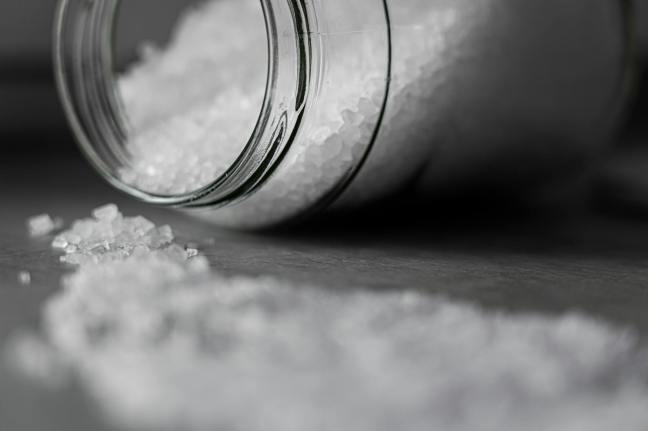
Reducing your salt intake as a ‘healthy’ habit could have negative consequences.

Several studies have discovered that consuming a low-salt diet containing approximately 2,200 milligrammes of sodium per day is sufficient to cause sodium depletion.

Salt has long been a contentious food element in the area of fitness and health. While sodium is a vital component of our bodies, excessive consumption can have an impact on cholesterol levels, blood pressure, heart health, and other factors. In fact, our understanding of salt and its impact is always evolving. But did you know that reducing salt intake can have a detrimental influence on your health?

Dr. James DiNicolantonio, a cardiovascular research expert, posted a video on Instagram describing why even too little salt can be hazardous for you. According to him, it may disrupt your sleep, causing you to toss and turn in bed all night long.

Relationship Between Salt and Sleep: How Does a Low-Sodium Diet Affect Your Sleep Pattern?

According to Dr DiNicolantonio, “People that were put on a low salt diet, because of the activation of the sympathetic nervous system, had a worsening in their sleep. So, we know that actually from a clinical perspective, this increase in the sympathetic nervous system is a true stress response and can affect sleep.” He went on to explain that multiple studies have shown that having a low-salt diet containing roughly 2,200 milligrammes of sodium per day is adequate to cause sodium depletion, which increases tension in the body and affects sleep patterns.

A study published in the Journal of Clinical Endocrinology and Metabolism found that a reduced sodium diet is associated with disrupted sleep patterns, namely decreased rapid eye movement, slow wave sleep, and increased alertness.

“These sleep changes are similar to those seen in normal-aged adults, who also undergo elevations of daytime and nighttime plasma norepinephrine,” the study read.

Dr. DiNicolantonio also highlighted that, in addition to hurting our sleep, a low sodium diet can decrease bone health by removing vital minerals from the body, such as calcium and magnesium.

While healthcare professionals never recommend adding too much salt/sodium to your diet, they do suggest eating it in moderation to maintain a healthy physique. I recommend that you visit an expert to determine how much salt you can add to your diet on a daily basis for better health.

Senegal’s President Diomaye Faye Appoints Ousmane Sonko as Prime Minister

wp-17121457870258946077762240203987

Senegal’s top opposition leader Ousmane Sonko, right, and his key ally Bassirou Diomaye Faye address supporters in Dakar, Senegal, Friday March 15, 2024.  –  credit: © africanews

In a historic moment for Senegal, President Diomaye Faye, at 44 years old, assumed office on Tuesday, marking the inauguration of Africa’s youngest elected leader. Faye’s ascension to power represents a remarkable journey from incarceration to the presidential palace in a matter of weeks.

The recent election, which tested Senegal’s standing as a stable democracy in West Africa, saw Faye emerge victorious. His swift rise to prominence comes against a backdrop of political turmoil, with the region grappling with coups and attempted coups in recent years.

Faye’s political journey took a dramatic turn less than two weeks before the election when he and his mentor, the popular opposition figure Ousmane Sonko, were released from prison. Their freedom came as part of a political amnesty announced by outgoing President Macky Sall, following months of protests sparked by their arrests.

During the protests, which saw widespread participation and garnered international attention, rights groups reported dozens of casualties and the arrest of around 1,000 individuals. Concerns had been raised over Sall’s potential bid for a third term, despite existing term limits, fueling the unrest.

In his inaugural address, President Faye paid tribute to those who lost their lives or were detained during the protests, pledging to champion greater sovereignty for Senegal while prioritizing economic prosperity. He acknowledged the electorate’s desire for systemic change, signaling his commitment to addressing the grievances of Senegal’s youth, who have expressed frustration with the country’s trajectory.

Faye, a former tax inspector, assumed his first elected office as president, symbolizing a shift in leadership that resonates with the aspirations of Senegal’s youthful population. His rapid ascent underscores a broader sentiment across Africa, where a burgeoning youth demographic seeks to challenge entrenched political systems and foster inclusive governance.

Police Ladies Advance in Women’s FA Cup After Victory Against Ampem Darkoa Ladies

Police Ladies continued their impressive journey in the Women’s FA Cup by defeating holders Ampem Darkoa Ladies 2-1 in a thrilling quarter-final match on Sunday, March 31st.

The match began with Juanita Aguadze giving Police Ladies an early lead, finding the net in the eighth minute. However, Ampem Darkoa Ladies responded with determination, equalizing through Latifa Abesik in the 52nd minute.

Despite the momentum shift, Police Ladies demonstrated resilience, reclaiming the lead with a goal from substitute Sophia Mabena Agyaakwa in the 57th minute. Ampem Darkoa Ladies were awarded a late penalty opportunity to level the score, but they failed to capitalize, securing Police Ladies’ well-deserved victory.

Police Ladies will now face Supreme Ladies in the semi-finals, who secured their spot after a penalty shootout victory against Nasara Ladies following a 1-1 draw in regular time.

In another compelling match at the Auntie Aku AstroTurf, Division One League side Epiphany Warriors emerged victorious against Jonina FC with a 2-1 win. Sonia Opoku opened the scoring for the Warriors in the 61st minute, followed by Leticia Adjei’s dramatic goal in the 112th minute of extra time. Jonina FC managed to pull one back through Eunice Kpentey’s penalty in the 85th minute, but it was not enough.

The Epiphany Warriors, the only Division One League team remaining in the tournament, now face the formidable challenge of Army Ladies in the next round of the Women’s FA Cup.