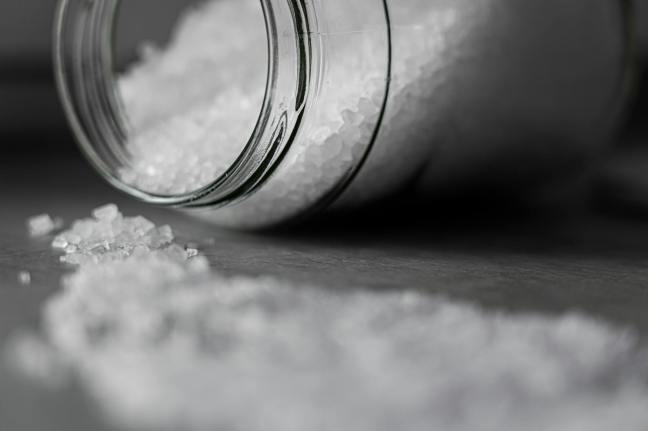
Several studies have discovered that consuming a low-salt diet containing approximately 2,200 milligrammes of sodium per day is sufficient to cause sodium depletion.
Salt has long been a contentious food element in the area of fitness and health. While sodium is a vital component of our bodies, excessive consumption can have an impact on cholesterol levels, blood pressure, heart health, and other factors. In fact, our understanding of salt and its impact is always evolving. But did you know that reducing salt intake can have a detrimental influence on your health?
Dr. James DiNicolantonio, a cardiovascular research expert, posted a video on Instagram describing why even too little salt can be hazardous for you. According to him, it may disrupt your sleep, causing you to toss and turn in bed all night long.
Relationship Between Salt and Sleep: How Does a Low-Sodium Diet Affect Your Sleep Pattern?
According to Dr DiNicolantonio, “People that were put on a low salt diet, because of the activation of the sympathetic nervous system, had a worsening in their sleep. So, we know that actually from a clinical perspective, this increase in the sympathetic nervous system is a true stress response and can affect sleep.” He went on to explain that multiple studies have shown that having a low-salt diet containing roughly 2,200 milligrammes of sodium per day is adequate to cause sodium depletion, which increases tension in the body and affects sleep patterns.
A study published in the Journal of Clinical Endocrinology and Metabolism found that a reduced sodium diet is associated with disrupted sleep patterns, namely decreased rapid eye movement, slow wave sleep, and increased alertness.
“These sleep changes are similar to those seen in normal-aged adults, who also undergo elevations of daytime and nighttime plasma norepinephrine,” the study read.
Dr. DiNicolantonio also highlighted that, in addition to hurting our sleep, a low sodium diet can decrease bone health by removing vital minerals from the body, such as calcium and magnesium.
While healthcare professionals never recommend adding too much salt/sodium to your diet, they do suggest eating it in moderation to maintain a healthy physique. I recommend that you visit an expert to determine how much salt you can add to your diet on a daily basis for better health.
 Unique observer 24