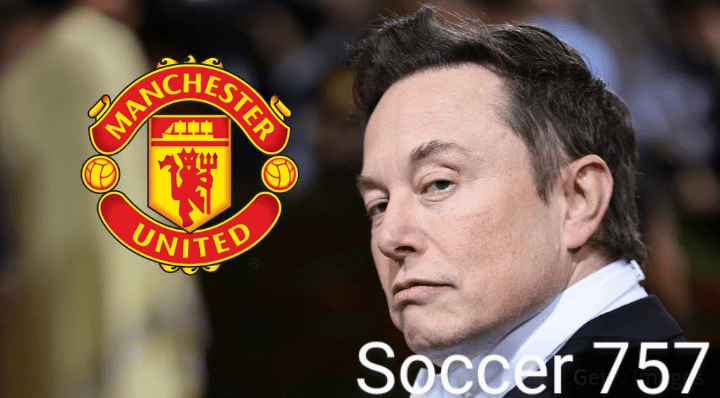
The South African billionaire admits he was a fan of the Red Devils as a child.
SpaceX founder and CEO Elon Musk has told his social media followers that he wants to buy Manchester United. United fans’ dissatisfaction with Glazer ownership has recently reached new heights, and the Red Devils are facing another disappointing transfer period.
They are no closer to signing long-term goal Frankie de Jong and are also linked with Marko Arnautovic and Adrien Rabiot. Both deals are not very popular with fans.
Manchester United failed on the pitch in their first two Premier League matches, losing 2-1 to Brighton and 4-0 to Brentford.
What did Elon Musk say about the United acquisition?
Musk thrilled Manchester United fans with a spectacular tweet on Wednesday.
After providing yet another update on his political affiliation, the Tesla CEO tweeted: “Also, I’m buying Manchester United ur welcome.””
When asked if he was serious, Musk took the stand.
He added: “No, this is a long-running joke on Twitter. I’m not buying any sports team. Although, if it were a team, it would be Man U. They were my fav team as a kid!”
Although, if it were any team, it would be Man U. They were my fav team as a kid.
Although, if it were any team, it would be Man U. They were my fav team as a kid.
Other person who could buy United from the GGlazer
Musk isn’t the only one involved in the recent acquisition. Michael Knighton, who first bought the club for £10 million in 1989, was also mentioned as a potential buyer.
Earlier this month, Knighton said he was planning a “hostile takeover” of Old Trafford.
“We have an inept and frankly useless ownership who know little about this game of football. Everyone knows that we need new ownership of this football club and that is my aim and those are my objectives,” he stated.
“I am making good progress, continuing to talk to the people, I have got some good pledges and good finance. We are now working on the offer document. Remember, it is a hostile bid – that simply means that the club isn’t officially for sale.”
Nursing mother of 29-year from Oforikurom village, closer to Samreboi in Wassa Amenfi West Municipality, has been arrested on charges of setting her 4-year-old daughter’s buttocks on fire for missing GH₵8 sandals.
According to the assembly member, Azure Suleman, the woman punished her daughter for missing the sandals after asking for them back and not returning them.
The mother however, denied the allegations, saying she wanted to use the water to treat wounds on her daughter’s genitals after rumors of sexual abuse reached her.
According to a myjoyonline, the mother has been granted bail given that she is a nursing mother of a one-year-old baby.
The court also ordered that the child be taken to Komfo Anokye Hospital for treatment.
Current state of Kofi Adomah after surviving the assasination attack.
One of Ghana’s most loved media personalities, Kofi Adomah Nwanwanii has survived an assasination on Saturday, August 7, on the way home from field trip to DAMAX Eastate in Kuntunse for a home project.
Anonymous source close to the media personality recounted that unidentified men on a motorcycle obstructed his car and attacked him near Old Ashongman.
The attackers wounded him with a sharp object when finally approached him, and aimed at his face to slander him.
Upon realizing their plan , Kofi tried to prevent them from hurting his face with his left hand, and ended up with cuts and bruises on his hands.
The men per source then doused the reporter with an inflammable substance, presumably petrol with the aim of setting him afire.
Kofi Adom Nwanwanile is currently undergoing treatment at the hospital.
zoonotic diseases are now transmitted from person to person. However, the search for habitat for new species of wild animals can create a constant danger for them.
Two months after the start of the international monkeypox epidemic, more than 18,000 cases had been reported worldwide.
In 2003, the virus spread through exotic pets imported from Ghana, infecting 72 people, including 3-year-old children. 19 people were hospitalized before the outbreak was curbed.
Looking back, the blatant lesson appears to be the rate at which monkeypox has changed its behavior since then.
By 2003, every case could be traced back to human contact with an infected animal. In 2022, transmission seems predominantly person-to-person. This can be traced back to sexual contact or skin-to-skin contact between men who have had sex with another.
However, one important detail from the 2003 eruption is worrying researchers studying this new eruption.
Twenty years ago, the virus spread from African wild animals to American animals sold as pets.
No one has considered such cross-species susceptibility, as no human infection with monkeypox has previously been identified outside of West and Central Africa.
African wild animals at the time, were known to transmit disease to those who hunted or inhabited their territories.
Surprisingly, the virus can spread to wild animals on other continents. It remains a tale of warning and could serve as a warning that the virus could gain a foothold in new animal populations after it has spread to nearly 80 countries.
However, it is highly troubling that virologists are talking about a new range of possible new host species that could pose a “risk of retransmission” from humans to animals, creating new exposure risks beyond what is currently known.
Scientists are studying this closely. “At this point, I don’t think there are clearly any zoonotic cases,” said a virologist and professor at the International Vaccine Center at the University of Saskatchewan, Angela Rasmussen.
“And I do think that that would be distinct, because we would see cases popping up with no connection to an MSM sexual network, and that has not happened yet.”
Several species of rodents have been found to carry monkeypox in the country where they were first identified, so some species are susceptible to monkeypox in other countries. However, the accumulated knowledge is not enough to reveal its meaning.
“What I take from the 2003 experience is that there is a diverse range of species that are likely susceptible to monkeypox, But we do not yet fully understand what that looks like.” says a microbiologist and assistant professor at the University of Manitoba Jason Kindrachuk, who studies monkeypox and other zoonotic pathogens.
History of monkeypox
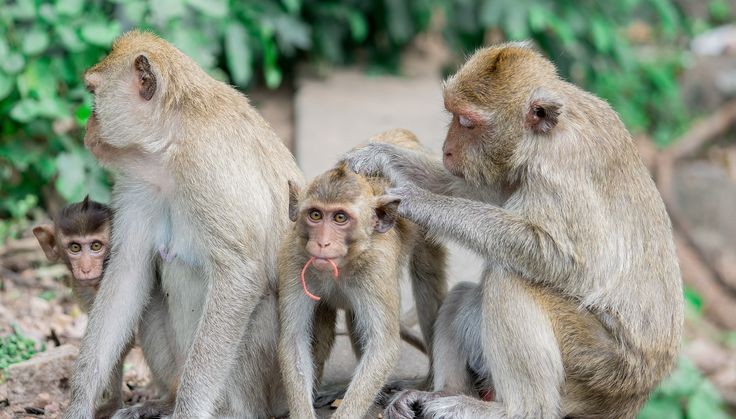
Monkeypox got its name because monkeys collected from zoos or laboratory animals were its victims when the disease was first identified,
although it circulates among various species of rodents and primates.
It was first detected in monkeys transported from Singapore to the Polio Research Center in Copenhagen in 1958, then transferred to a laboratory at the University of Pennsylvania in 1960 and to the Walter Reed Laboratory of the US Army in 1962.
Two years later, it made many monkeys, orangutans, chimpanzees and gorillas sick. Gibbons and many other species that live in the Rotterdam Zoo. The outbreak was an early warning that monkeypox could spread in a complicated way, as primates have not arrived at infected zoos.
The virus was transmitted to them through new acquisitions: Two giant South African pangolins sold to zoos by wildlife traders. It was later suggested that the pangolins were hiding somewhere along the chain of custody in a nursery with already infected animals, similar to the crossbreeding that led to the 2003 U.S. outbreak.
This may be why laboratory monkeys were also infected during the first outbreak.
According to old medical journals, there was a huge trade in primates around the world in the 1960s, which was an unfortunate side effect of the drive to develop and test the first polio vaccine.
“Conditions for shipping and handling were deplorable all kinds of animals from different places being crowded together,’’ a prominent virologist wrote in the 1990s.
It took years for public health professionals to realize that monkeypox originated in Africa and that the virus could infect humans. Both were almost accidental discoveries.
The 1970s marked the beginning of a powerful international campaign to eradicate smallpox from countries where it occurs.
After the vaccinators passed through the area, the field team discovered a groundbreaking case characterized by smallpox pustules. They identified a cluster case in the village of Derpocratis Benblic, Congo, where people were intended to be fully vaccinated, and found that the lesions were as a matter of fact caused by monkeypox.
A study project to find the origin of the clusters began to research local primates and later discovered that the main harbor for the virus may not be monkeys, but some species of squirrels that live outside villages and often become prey.
Decades later, it is still unclear which rodent or primate is the main host of the monkeypox, and whether the virus has passed through multiple species to defend itself. Captured wild animals have been identified several times.
Experiments have shown that many other species, including rats and guinea pigs, are susceptible to infection. and rabbits. However, these laboratory results cannot determine whether this species will become a vector in the real world.
In addition, the experimental conditions can be very different from natural conditions. Animals may be exposed to more or for longer periods of time than in the wild.
An instance of laboratory conditions that differ from real world scenarios is the 2003 monkeypox outbreak in the United States.
Many exotic pet sellers include African species of Gambian giant rats, tree squirrels, sleepy American prairie dogs, and European porcupines.
This contact never occurs in natural ecosystems, so it may not indicate which species is the most likely host if monkeypox spread across the world, and review by the US Food and Drug Administration (FDA) found no retrospective explanation for the more than 170 African rodents and 103 prairie dogs involved in the outbreak. They may have been killed or escaped, but a limited sample in the Midwest has shown they are no longer in circulation.
There is strong evidence that SARS COV 2, the virus that causes Covid, has spread from infected people to animals, stoats and white-tailed deer in North America and Europe. It is possible that the monkeypox will follow the same path.
When the outbreak began, the UK Health and Safety Commission recommended that people infected with monkeypox should remove all rodents from their homes while they were recovering to reduce the chance of reinfection.
Because there is little data on the susceptibility of different species to monkeypox, the only way to determine risk is to set up an extensive surveillance program to look for animals with current or past signs of infection. Even if scientists knew about endangered species, it would be a monumental work. “Think about bats and Ebola: We’ve been looking for infections for decades now. You’re looking for a tiny, tiny pin in a massive haystack.” said Kindrachuk .
Unlike humans or mice, they do not have an extensive bank of cells and tissues recovered from many species of wild animals over the decades. If available, they can provide data to compare known carriers of monkeypox with other potentially endangered species.
In order to detect the transfer of a monkeypox to a new animal species, virologists may need to create samples that are identical to waste samples prepared to detect SARS COV 2.
Thus, existing systems (in this case, veterinary field research, animal rehabilitation or zoos) can be used to address questions that can be answered with rapid automated laboratory technologies.
This is less precise but faster than capturing and smearing or drying individual animals. And that would be faster, though less accurate, than grabbing individual animals to smear or bleed. And it will be much faster than the 2003 alternative. It is not knowing which animals are at risk of infection and it is too late to realize that they are sick.
There is a archaic belief that women live longer than men. But recent research seems to be challenging this ancient belief.
New study suggests that while men’s life expectancy is shorter, they are “more likely to live longer than women.” This analysis is based on a bicentennial survey of all continents.
The study, published in the BMJ Open Journal, looked at life expectancy data for men and women in 199 countries over nearly 200 years. He concluded that men live longer than women, especially those who are married or have advanced degrees.
“Males who are married or have a university degree tend to outlive females who are unmarried or do not have a high school diploma,” stated the authors.
The study also shows that in developed countries, women’s chances of surviving men in developed countries fell in 1970, but gradually increased in subsequent years for all populations. The increase or decrease in the difference in life expectancy is mainly due to differences in lifestyle and behavior, including smoking.
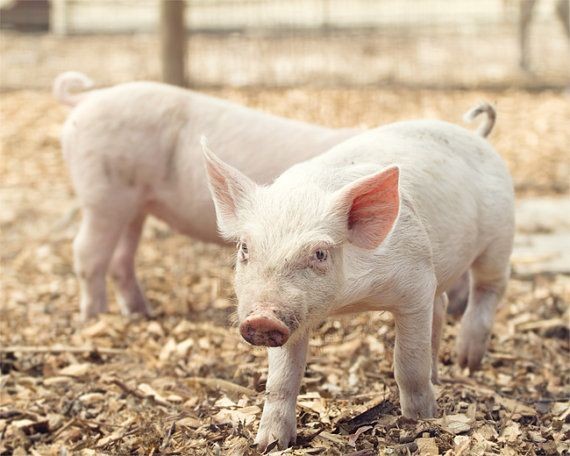
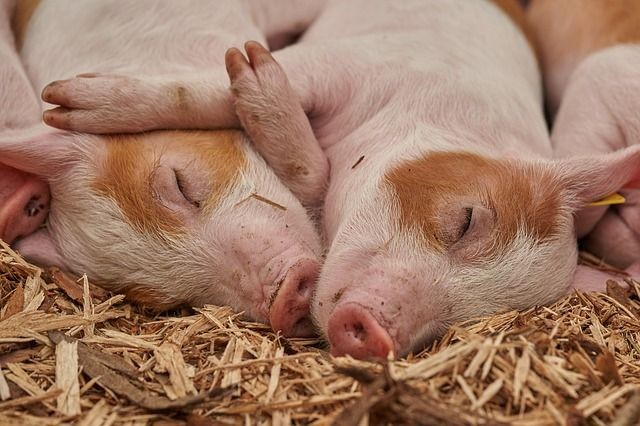
Scientists from Yale University in America have revived the heart of a dead pig in a groundbreaking experiment.
The researchers were able to resuscitate some organs an hour after the death of a pig, and the “very important” breakthrough is very optimistic about transplantation.
Using innovative OrganEx technology they were able to restore several cellular functions, heart rate and blood flow to the dead pig’s heart.
This included pumping replacement blood, which also contained blood clotting agents, through the animal’s body to slow its breakdown and quickly restore some heart, liver, and kidney function.
After 6 hours, the organs, including the heart, were partially resuscitated.
“We made cells do something they weren’t able to do when the animals were dead,” team member Zvonimir Vrselja, a neuroscientist at Yale University in New Haven, Connecticut stated.
The revolutionary experiments could have a profound impact not only on medicine but also on the future of human life.
Published in the journal Nature, the experiment involving about 100 pigs was carried out after receiving ethical approval.
The electrical activity of the heart was restored and some of the heart muscle cells contracted.
However, these organs no longer function at the same level as before death.
Dr Zvonimir Vrselja said: “Things are not as dead as we previously presumed – we have demonstrated that we can actually initiate cell-repair on a molecular level. We can persuade cells not to die.”
The pig’s head and neck at some point,
began to move on their own. This may be a sign that they have regained some motor function, but further research is needed.
Neuroscientist Dr David Andrijevic said it was a “quite startling moment. However, he said it was “not indicative of any mental activity on the part of the pig”.
There was evidence of brain recovery. However, there were no brain waves or electrical activity indicating consciousness or awareness.
The director of critical care and critical care research at New York University, Sam Parnia said that the study was “absolutely remarkable and very important” and could help explain reports of near-death experiences.
He stated that the technology could be used to give doctors more time to treat people suffering from lack of oxygen, such as those who died from drowning or a heart attack.
He also said that it could “bring such people back to life many hours after death”.
Ghanaian 100m record holder Benjamin Azamati won 7th in qualifying for the men’s 100m and Shaun Sarfo-Antwi finished fourth at the Commonwealth Games in Birmingham.
Despite an unsteady start, Azamati took first place in 10.19 seconds to advance to the 100m semi-finals.
Sean Sarfo-Antoui also ran 10.33 in heat 10 to advance to the semi-finals.
Sarfo-Antwi crossed the line behind Jerod Elcock, Emanuel Archibald and Stephan Charles but still managed to advance to the next round.
The semi-finals are scheduled for today, Wednesday 3 August.
A Congolese military delegation was sent to Beni in northeastern Democratic Republic of the Congo on Tuesday, two days after UN peacekeepers opened fire on civilians in Kasindi, which borders Uganda, killing three and injuring several others.
“The government cannot abandon its people, that is why I am here and visiting the wounded while we are waiting for them to receive appropriate care in Beni or elsewhere, in accordance with the doctor’s orders.”, said Charles Ehuta Omeonga, military administrator of Beni territory.
Shortly after the July 31 incident, the UN said in a statement that the soldiers were “shooting and attacking for unknown reasons.” The President of the Beni Youth Council said that the UN wants to provide medical assistance to the victims.
More than 30 people were killed in protests in North Kivu last week. Participants blamed the failure of the UN mission to protect people from armed groups.
UN Secretary-General António Guterres was outraged by the shooting and called for an investigation into the Kasindi incident. And President Felix Tshisekedi presided over an emergency meeting following reports of other deaths in Goma, Butembo, Uvira and Kanyabayonga besides Kasindi.
The situation in the area is still very tense. The Congolese police On Monday, had to disperse about 100 protesters in Beni. The Congolese government has said it will meet with MONUSCO to reassess the withdrawal.
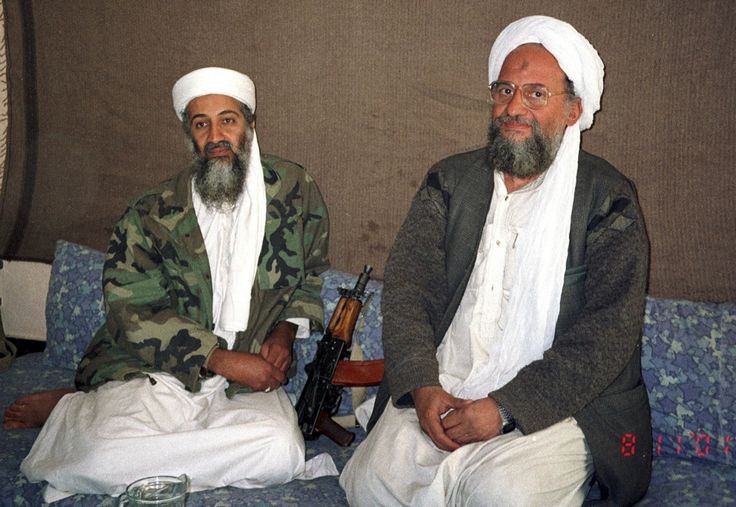
HAMID MIR interviewing OSAMAN BIN LADEN and AYMAN AL-ZAWAHIRI
US President Joe Biden said leader Ayman al-Zawahiri, the hardest hit leader since the 2011 assassination of al-Qaeda founder Osama bin Laden, was killed in a US airstrike in Afghanistan over the weekend.
The drone strike was the first known strike from the mainland since the withdrawal of US troops and confirmed Washington’s belief that the threat from Afghanistan could be eliminated without the presence of the US.
Mujahid damned the strike as a violation of “international principles”.
According to him, it went against the 2020 agreement on a US troop withdrawal.
Some activists have expressed concern that Zawahiri, who has been ill for a long time, was given asylum by the Taliban after the August 2021 takeover of Kabul.
Zawahiri in 2011 became head of Al-Qaeda after the US military killed Osama bin Laden, the founder of the terrorist organization.
Zawahiri, the $25 million Egyptian surgeon, comes from a prominent Egyptian family and his grandfather was an imam at Al-Azhar University in Cairo.
About 3,000 civilians were killed on September 11 in what is considered the deadliest attack on American soil.
It is believed that bin Laden was behind the attack, and Zawahiri, disguised as a doctor, helped carry out his deadly plan.
In addition, Zawahiri was imprisoned for his role in the assassination of Egyptian President Anwar Sadat in 1981.
According to the Rewards for Justice website, Zawahiri ordered the attack on the USS Cole in Yemen, killing 17 US sailors and injuring more than 30 others.
He was charged in the United States
with involvement in the bombings of the US embassies in Kenya and Tanzania, which killed 224 people.
HAMID MIR interviewing OSAMAN BIN LADEN and AYMAN AL-ZAWAHIRI
US President Joe Biden said leader Ayman al-Zawahiri, the hardest hit leader since the 2011 assassination of al-Qaeda founder Osama bin Laden, was killed in a US airstrike in Afghanistan over the weekend.
The drone strike was the first known strike from the mainland since the withdrawal of US troops and confirmed Washington’s belief that the threat from Afghanistan could be eliminated without the presence of the US.
Mujahid damned the strike as a violation of “international principles”.
According to him, it went against the 2020 agreement on a US troop withdrawal.
Some activists have expressed concern that Zawahiri, who has been ill for a long time, was given asylum by the Taliban after the August 2021 takeover of Kabul.
Zawahiri in 2011 became head of Al-Qaeda after the US military killed Osama bin Laden, the founder of the terrorist organization.
Zawahiri, the $25 million Egyptian surgeon, comes from a prominent Egyptian family and his grandfather was an imam at Al-Azhar University in Cairo.
About 3,000 civilians were killed on September 11 in what is considered the deadliest attack on American soil.
It is believed that bin Laden was behind the attack, and Zawahiri, disguised as a doctor, helped carry out his deadly plan.
In addition, Zawahiri was imprisoned for his role in the assassination of Egyptian President Anwar Sadat in 1981.
According to the Rewards for Justice website, Zawahiri ordered the attack on the USS Cole in Yemen, killing 17 US sailors and injuring more than 30 others.
He was charged in the United States
with involvement in the bombings of the US embassies in Kenya and Tanzania, which killed 224 people.




 Unique observer 24