Hello, dear readers. Today, I want to take you on a journey, not to a distant land but into the depths of your own being. I’m Esther Inkoom , and I invite you to explore the transformative power of personal development and mindfulness.
The Path to Self-Discovery
Our lives are a constant evolution, a journey of self-discovery. To embark on this path, we must first understand ourselves. Self-awareness is the cornerstone of personal development. Take time to reflect on your strengths, weaknesses, values, and aspirations. What makes your heart sing? What challenges you to grow?
Setting Meaningful Goals
With self-awareness comes the ability to set meaningful goals. Your goals should be a reflection of your true desires, not societal pressures or external expectations. When you define your path based on your values, you’re more likely to find fulfillment and happiness along the way.
Mindfulness: Embracing the Present Moment
Mindfulness is the art of living in the present moment. It’s about being fully engaged with whatever you’re doing, whether it’s sipping your morning coffee or working on a project. The present moment is where life unfolds. By practicing mindfulness, you can savor life’s simple pleasures and reduce stress.
Cultivating Gratitude
One of the most powerful mindfulness practices is gratitude. Every day, take a moment to appreciate the beauty around you, the kindness of others, and the simple fact of being alive. Gratitude has the magical ability to shift your perspective, making even the toughest days a little brighter.
The Courage to Change
Personal development often involves change, and change can be intimidating. But remember, growth happens outside of your comfort zone. Embrace change with an open heart. Be willing to step into the unknown, for it is there that you’ll discover your true potential.
Learning from Challenges
Life is full of challenges, and they are our greatest teachers. Instead of fearing them, embrace them as opportunities for growth. Each setback is a chance to learn, adapt, and emerge stronger.
Community and Connection
We are not on this journey alone. Seek out like-minded individuals who share your passion for personal development and mindfulness. Communities of support and connection can provide invaluable encouragement and insight.
Self-Compassion
Throughout this journey, remember to be kind to yourself. Treat yourself with the same love and compassion that you extend to others. Mistakes are part of growth, and you are deserving of your own forgiveness.
The Power of Consistency
Personal development and mindfulness are not quick fixes; they are lifelong practices. Consistency is key. Small, daily actions accumulate over time to create significant change. Embrace the journey with patience and perseverance.
Embrace Your Journey
As we conclude this exploration of personal development and mindfulness, I encourage you to take the first step or continue your journey with renewed vigor. You have the power to shape your destiny, to find peace in the present, and to unlock your full potential.
Embrace your journey, dear reader, with open arms and an open heart. May it lead you to a life rich in fulfillment, purpose, and mindfulness.
Describe one simple thing you do that brings joy to your life.
In the pursuit of a fulfilling life, each individual embarks on a unique journey to find happiness. Amidst the complexities of existence, there is often one ultimate thing that brings profound joy to a person’s life. Discovering and nurturing this special aspect can be transformative, unlocking the door to genuine happiness and contentment.
We live in a world where external pressures and societal expectations often dictate our choices. We chase success, accumulate possessions, and seek validation from others. However, true joy lies not in conforming to external standards, but in understanding our innermost desires and nurturing the aspects that ignite our souls.
So, what is this ultimate thing that brings joy? It could be a passion for painting, writing, or playing an instrument. It might be the joy of connecting with nature through gardening or embarking on adventures that stir the spirit. It could be the act of giving back to the community or nurturing relationships with loved ones. The possibilities are endless, and the key lies in recognizing and embracing what truly lights up our lives.
Finding this ultimate joy requires introspection, self-discovery, and a willingness to follow our hearts. It demands that we break free from societal norms and expectations, and instead, delve into the depths of our own desires. It may take time and experimentation, but the journey is worth it.
Nurturing this ultimate joy is an ongoing process. It requires carving out time in our busy lives to indulge in our passions and prioritize the activities that make us feel alive. It might mean waking up early to write that novel or setting aside dedicated time to explore the great outdoors. It’s about creating space in our lives for what truly brings us joy, no matter how big or small.
In our pursuit of happiness, it’s essential to remember that joy is not a destination but a continuous exploration. It’s about finding fulfillment in the present moment and embracing the journey of self-discovery. By nurturing our ultimate joy, we not only enhance our own lives but also radiate positivity and inspiration to those around us.
So, take a moment to reflect. What is that one thing that brings immense joy to your life? What makes your heart sing and your spirit soar? Identify it, embrace it, and make it a priority. Let it infuse your days with purpose and passion.
In a world that often values external achievements, finding and cultivating our ultimate joy is a rebellious act of self-love and authenticity. It is an invitation to live life on our own terms, celebrating the unique gifts and passions that make us who we are.
Unlock the door to your joy, and watch as it transforms your existence. Embrace the pursuit of your ultimate joy and allow it to guide you towards a life filled with fulfillment, purpose, and unbridled happiness.
What are 5 everyday things that bring you happiness?
Happiness is something we all look for in life, but sometimes it can seem elusive. But the truth is that happiness can be found in the simplest things. In this post, I want to share with you five everyday things that make you happy.
A delicious cup of coffee or tea
Treat yourself with a delicious cup of coffee or tea
Starting the day with a cup of hot coffee or tea can be a simple gift that will set the mood for the whole day. Enjoying the flavors and aromas for a few minutes is a soothing meditative experience that will help you start your day on a positive note.
A daily cup of tea could help you to enjoy better health late in life — however if you’re not a tea drinker, there are other things you can add to your diet.
The key is flavonoids, naturally occurring substances found in many common foods and drinks such as black and green tea, apples, nuts, citrus fruits, berries and more.
They have long been known to have many health benefits, but a new study from Edith Cowan University (ECU) suggests they may even be better than previously thought.
There are many dietary sources of flavonoids, some with very high levels, said Ben Parmenter, researcher and principal investigator at ECU’s Nutrition and Health Innovation Research Institute.
“In most populations, a small group of foods and beverages — uniquely high in flavonoids — contribute the bulk of total dietary flavonoid intake,” he said.
“The main contributors are usually black or green tea, blueberries, strawberries, oranges, red wine, apples, raisins/grapes and dark chocolate.”
There are various types of flavonoids, such as flavan-3-ols and B. flavonols, which the study indicated appear to also associate with abdominal aortic calcification (AAC).
Study participants with higher total intakes of flavonoids, flavan-3-ols, and flavonols were 36-39% less likely to have extensive AAC.
Black tea was the main source of all flavonoids in the study group and was significantly less likely to contain extensive AAC.
Compared to respondents who didn’t drink tea, participants who drank 2 to 6 cups a day were 16 to 42% less likely to get advanced AAC.
However, some other food sources with flavonoids, such as fruit juice, red wine, and chocolate, did not show a significant positive association with AAC.
While black tea was the main source of flavonoids in the study (possibly due to the age of the participants), Mr. Parmenter said people could reap the benefits of flavonoids without turning off the kettle.
“Out of the women who don’t drink black tea, higher total non-tea flavonoid intake also appears to protect against extensive calcification of the arteries,” he said.
“This implies flavonoids from sources other than black tea may be protective against AAC when tea is not consumed.”
Mr. Parmenter said this was important because non-tea drinkers can benefit from flavonoids in their diet.
“In other populations or groups of people, such as young men or people from other countries, black tea might not be the main source of flavonoids,” he said.
“AAC is a major predictor of vascular disease events, and this study shows intake of flavonoids, that could protect against AAC, are easily achievable in most people’s diets.”
Published in Arteriosclerosis, Thrombosis, and Vascular Biology: “Higher usual dietary intake of flavonoids is associated with less extensive abdominal aortic calcification in a cohort of older women.”
Prescription folic acid may help reduce the risk of suicide attempts. (Photo: Unique images)
A recent study published in JAMA Psychiatry found that taking prescribed folic acid significantly reduced the risk of suicide attempts. Experts say it could potentially be a “major breakthrough” in suicide prevention.
A large study that looked at 867,000 American adults over a two-year period found a beneficial link between prescribed folic acid (a B-vitamin that helps the body grow healthy new cells) and a 44% reduction in suicide attempts and intentional self-mutilation. The study also showed a 5% reduction in suicide rates for each additional month of folic acid treatment.
Cleveland Clinic psychiatrist, Dr. Tatiana Falcone told the Unique Observer that the results were very interesting. She noted that while the researchers ruled out factors that could confound the results, they still found that folic acid regimens mattered.
The researchers also compared the two groups. One is taking prescribed folic acid and the other is taking cyanocobalamin (vitamin B12) as a control group. It was found that there were fewer suicide attempts in the folic acid group.
However, if additional research confirms that inexpensive and widely available folic acid is a suicide prevention tool, it would be “important for patients with low folic acid levels associated with depression or suicidal thoughts,” Falcone said.
Sanam Hafeez, a neuropsychologist and director of Comprehend Mind, who was not involved in the study, called the results “impressive”.
However, she agrees with Falcone that more research is needed. Hafeez also said it’s important to note that the folic acid used for the purposes of this study is a prescription drug and not an over-the-counter supplement.
“This will be a breakthrough not only in the treatment of depression, but also in the treatment of drug-resistant depression,” Hafeez added.
Several studies have found a link between low levels of folic acid (the natural form of the B vitamin) and depression. This may be because folic acid plays a role in the formation of serotonin, a neurotransmitter that helps regulate mood. Drugs such as selective serotonin reuptake inhibitors (SSRIs) help treat depression and other mood disorders by increasing levels of serotonin in the brain.
Falcone adds that it’s important not to wait for depression to be treated. “If depressive symptoms persist for a long time, prolonged suicidal thoughts increase the likelihood that the patient’s condition will continue to worsen. It’s best to combine medication and treatment.”she said.
Neurological and psychiatric disorders are one of the worrisome consequences of COVID-19, according to a new study.
Oxford University researchers reported last year that one in three patients developed a mood disorder, stroke or dementia six months after contracting the coronavirus.
Now researchers have published a new long-term analysis of 1.25 million Covid patient datasets. Known as the largest of its kind, the study also included data on children and several new variants.
According to the University of Oxford and the National Institute for Health and Care Research, the risk of developing neurological and psychiatric disorders such as psychosis, dementia, brain fog and seizures remains high compared to other respiratory infections up to two years after infection. A report from the Oxford Medical Center for Biomedical Research, published Wednesday in the Lancet Psychiatry, says.
Anxiety and depression are more likely to occur immediately after a diagnosis of COVID-19 but tend to resolve within the first two months, as after a flu-like infection.
The research has shown that data on children show that children are less likely to be diagnosed with anxiety or depression by the age of two, and the risk of brain fog disappears.
However, the risk of developing seizures and psychotic disorders is significantly higher than in children who have had other respiratory infections.
Viewing how the different variants affected health risks, the probability of neuropsychiatric diagnoses increased, from 10% higher for anxiety to 38% for brain fog, if one was infected with the Delta variant as compared to the alpha version. Similar results were discovered for the Omicron variant, even though it is relatively milder.
Dr Max Taquet, who conducted the analysis at Oxford University, said:, “The findings shed new light on the longer-term mental and brain health consequences for people following COVID-19 infection. The results have implications for patients and health services and highlight the need for more research to understand why this happens after COVID-19, and what can be done to prevent these disorders from occurring, or treat them when they do.”
The study shows that adults under the age of 65 with a history of COVID-19 infection for up to two years suffer from brain fog (640 versus 550 cases per 10,000) and muscle disorders (44 versus 32). cases per 10,000 population). Over the same period, adults aged 65 years and older with COVID-19 were more likely to be diagnosed with brain fog (1540 vs 1230 per 10,000). Dementia (450 vs 330 per 10,000) and psychotic disorders (85 vs 60 per 10,000). Children with Covid were more likely to have seizures (260 versus 130 per 10,000 children) and psychotic disorders (18 versus 6 per 10,000 children).
Regarding study limitations, the researchers caution that these studies may be underrepresented in self-diagnosed and asymptomatic cases, as they are not usually included. It also does not address the severity or duration of illness after COVID-19.
zoonotic diseases are now transmitted from person to person. However, the search for habitat for new species of wild animals can create a constant danger for them.
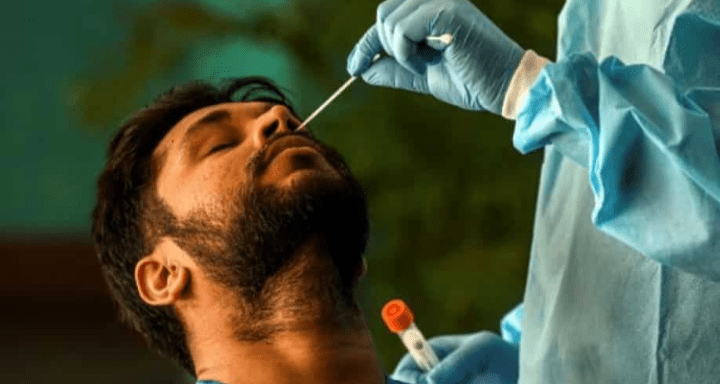
Two months after the start of the international monkeypox epidemic, more than 18,000 cases had been reported worldwide.
In 2003, the virus spread through exotic pets imported from Ghana, infecting 72 people, including 3-year-old children. 19 people were hospitalized before the outbreak was curbed.
Looking back, the blatant lesson appears to be the rate at which monkeypox has changed its behavior since then.
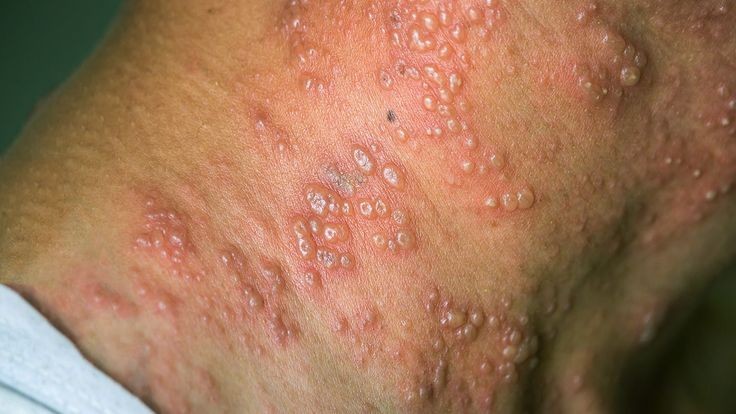
By 2003, every case could be traced back to human contact with an infected animal. In 2022, transmission seems predominantly person-to-person. This can be traced back to sexual contact or skin-to-skin contact between men who have had sex with another.
However, one important detail from the 2003 eruption is worrying researchers studying this new eruption.
Twenty years ago, the virus spread from African wild animals to American animals sold as pets.
No one has considered such cross-species susceptibility, as no human infection with monkeypox has previously been identified outside of West and Central Africa.
African wild animals at the time, were known to transmit disease to those who hunted or inhabited their territories.
Surprisingly, the virus can spread to wild animals on other continents. It remains a tale of warning and could serve as a warning that the virus could gain a foothold in new animal populations after it has spread to nearly 80 countries.
However, it is highly troubling that virologists are talking about a new range of possible new host species that could pose a “risk of retransmission” from humans to animals, creating new exposure risks beyond what is currently known.
Scientists are studying this closely. “At this point, I don’t think there are clearly any zoonotic cases,” said a virologist and professor at the International Vaccine Center at the University of Saskatchewan, Angela Rasmussen.
“And I do think that that would be distinct, because we would see cases popping up with no connection to an MSM sexual network, and that has not happened yet.”
Several species of rodents have been found to carry monkeypox in the country where they were first identified, so some species are susceptible to monkeypox in other countries. However, the accumulated knowledge is not enough to reveal its meaning.
“What I take from the 2003 experience is that there is a diverse range of species that are likely susceptible to monkeypox, But we do not yet fully understand what that looks like.” says a microbiologist and assistant professor at the University of Manitoba Jason Kindrachuk, who studies monkeypox and other zoonotic pathogens.
History of monkeypox
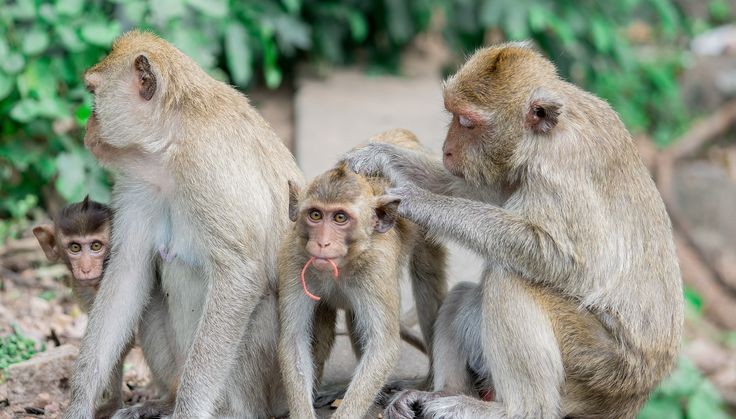
Monkeypox got its name because monkeys collected from zoos or laboratory animals were its victims when the disease was first identified,
although it circulates among various species of rodents and primates.
It was first detected in monkeys transported from Singapore to the Polio Research Center in Copenhagen in 1958, then transferred to a laboratory at the University of Pennsylvania in 1960 and to the Walter Reed Laboratory of the US Army in 1962.
Two years later, it made many monkeys, orangutans, chimpanzees and gorillas sick. Gibbons and many other species that live in the Rotterdam Zoo. The outbreak was an early warning that monkeypox could spread in a complicated way, as primates have not arrived at infected zoos.
The virus was transmitted to them through new acquisitions: Two giant South African pangolins sold to zoos by wildlife traders. It was later suggested that the pangolins were hiding somewhere along the chain of custody in a nursery with already infected animals, similar to the crossbreeding that led to the 2003 U.S. outbreak.
This may be why laboratory monkeys were also infected during the first outbreak.
According to old medical journals, there was a huge trade in primates around the world in the 1960s, which was an unfortunate side effect of the drive to develop and test the first polio vaccine.
“Conditions for shipping and handling were deplorable all kinds of animals from different places being crowded together,’’ a prominent virologist wrote in the 1990s.
It took years for public health professionals to realize that monkeypox originated in Africa and that the virus could infect humans. Both were almost accidental discoveries.
The 1970s marked the beginning of a powerful international campaign to eradicate smallpox from countries where it occurs.
After the vaccinators passed through the area, the field team discovered a groundbreaking case characterized by smallpox pustules. They identified a cluster case in the village of Derpocratis Benblic, Congo, where people were intended to be fully vaccinated, and found that the lesions were as a matter of fact caused by monkeypox.
A study project to find the origin of the clusters began to research local primates and later discovered that the main harbor for the virus may not be monkeys, but some species of squirrels that live outside villages and often become prey.
Decades later, it is still unclear which rodent or primate is the main host of the monkeypox, and whether the virus has passed through multiple species to defend itself. Captured wild animals have been identified several times.
Experiments have shown that many other species, including rats and guinea pigs, are susceptible to infection. and rabbits. However, these laboratory results cannot determine whether this species will become a vector in the real world.
In addition, the experimental conditions can be very different from natural conditions. Animals may be exposed to more or for longer periods of time than in the wild.
An instance of laboratory conditions that differ from real world scenarios is the 2003 monkeypox outbreak in the United States.
Many exotic pet sellers include African species of Gambian giant rats, tree squirrels, sleepy American prairie dogs, and European porcupines.
This contact never occurs in natural ecosystems, so it may not indicate which species is the most likely host if monkeypox spread across the world, and review by the US Food and Drug Administration (FDA) found no retrospective explanation for the more than 170 African rodents and 103 prairie dogs involved in the outbreak. They may have been killed or escaped, but a limited sample in the Midwest has shown they are no longer in circulation.
There is strong evidence that SARS COV 2, the virus that causes Covid, has spread from infected people to animals, stoats and white-tailed deer in North America and Europe. It is possible that the monkeypox will follow the same path.
When the outbreak began, the UK Health and Safety Commission recommended that people infected with monkeypox should remove all rodents from their homes while they were recovering to reduce the chance of reinfection.
Because there is little data on the susceptibility of different species to monkeypox, the only way to determine risk is to set up an extensive surveillance program to look for animals with current or past signs of infection. Even if scientists knew about endangered species, it would be a monumental work. “Think about bats and Ebola: We’ve been looking for infections for decades now. You’re looking for a tiny, tiny pin in a massive haystack.” said Kindrachuk .
Unlike humans or mice, they do not have an extensive bank of cells and tissues recovered from many species of wild animals over the decades. If available, they can provide data to compare known carriers of monkeypox with other potentially endangered species.
In order to detect the transfer of a monkeypox to a new animal species, virologists may need to create samples that are identical to waste samples prepared to detect SARS COV 2.
Thus, existing systems (in this case, veterinary field research, animal rehabilitation or zoos) can be used to address questions that can be answered with rapid automated laboratory technologies.
This is less precise but faster than capturing and smearing or drying individual animals. And that would be faster, though less accurate, than grabbing individual animals to smear or bleed. And it will be much faster than the 2003 alternative. It is not knowing which animals are at risk of infection and it is too late to realize that they are sick.
Scientists from Yale University in America have revived the heart of a dead pig in a groundbreaking experiment.
The researchers were able to resuscitate some organs an hour after the death of a pig, and the “very important” breakthrough is very optimistic about transplantation.
Using innovative OrganEx technology they were able to restore several cellular functions, heart rate and blood flow to the dead pig’s heart.
This included pumping replacement blood, which also contained blood clotting agents, through the animal’s body to slow its breakdown and quickly restore some heart, liver, and kidney function.
After 6 hours, the organs, including the heart, were partially resuscitated.
“We made cells do something they weren’t able to do when the animals were dead,” team member Zvonimir Vrselja, a neuroscientist at Yale University in New Haven, Connecticut stated.
The revolutionary experiments could have a profound impact not only on medicine but also on the future of human life.
Published in the journal Nature, the experiment involving about 100 pigs was carried out after receiving ethical approval.
The electrical activity of the heart was restored and some of the heart muscle cells contracted.
However, these organs no longer function at the same level as before death.
Dr Zvonimir Vrselja said: “Things are not as dead as we previously presumed – we have demonstrated that we can actually initiate cell-repair on a molecular level. We can persuade cells not to die.”
The pig’s head and neck at some point,
began to move on their own. This may be a sign that they have regained some motor function, but further research is needed.
Neuroscientist Dr David Andrijevic said it was a “quite startling moment. However, he said it was “not indicative of any mental activity on the part of the pig”.
There was evidence of brain recovery. However, there were no brain waves or electrical activity indicating consciousness or awareness.
The director of critical care and critical care research at New York University, Sam Parnia said that the study was “absolutely remarkable and very important” and could help explain reports of near-death experiences.
He stated that the technology could be used to give doctors more time to treat people suffering from lack of oxygen, such as those who died from drowning or a heart attack.
He also said that it could “bring such people back to life many hours after death”.
Nearly 500 people have contracted the coronavirus at tourist attractions, according to Chinese media, which could seriously hinder China’s goal of “Zero Coronavirus”. This tourist resort is located in Guangxi, China. China’s Global Times reported that more than 2,000 tourists have been stranded in Beihai province as a result of the outbreak. The coronavirus outbreak is affecting holiday reporting.
Beihai is located in the south of Guangxi. It is a popular resort in this area. The first asymptomatic case of Belhai was reported on 12 July. As of Saturday (July 16), a total of 9 confirmed infections and 444 asymptomatic infections have been reported, according to the Global Times.
The outbreak according to the Guangxi Provincial Health Commission, has affected several cities, including Beihai, Nanning, Guilin, Hezhou and Chongzuo.
In other cities of the region, 30 asymptomatic infections were detected. This new wave is caused by an Omicron sub-variants.
According to Chinese health authorities, option BA.2.38. This strain is highly contagious and difficult to identify early on.
China recently introduced a lockdown in the 13 millionth city of Xian. Cases have been reported associated with the new Omicron sub-variant. From Saturday to Monday, 19 people were infected with COVID-19.
















 Unique observer 24