UEFA Euro 2024 Quarterfinals: Teams, Schedule, and Key Matches

Credit: Behance

Euro 2024 has reached the exciting quarterfinal stage after a thrilling round of 16 that saw top teams like Italy and Belgium exit the competition. Here’s a roundup of what to expect in the upcoming matches:

Qualified Teams:

Germany
Spain
England
France
Portugal
Turkey
Switzerland
Netherlands

Teams to Watch:
Spain enters the quarterfinals with a perfect record, having scored nine goals in four matches. Hosts Germany have been dominant, scoring 10 goals and remaining unbeaten. Turkey emerges as the dark horse after eliminating Austria in the round of 16.

Quarterfinal Matches Schedule:

Spain vs Germany: Friday, 6pm (16:00 GMT) at Stuttgart Arena, Stuttgart
Portugal vs France: Friday, 9pm (19:00 GMT) at Volksparkstadion, Hamburg
England vs Switzerland: Saturday, 6pm (16:00 GMT) at Dusseldorf Arena, Dusseldorf
Netherlands vs Turkey: Saturday, 9pm (19:00 GMT) at Olympiastadion, Berlin

Knockout Stage Dates:                         Semifinal 1: July 9 in Munich
Semifinal 2: July 10 in Dortmund
Final: July 14 in Berlin

Jamal Musiala from Germany
Morata from spain

Tournament Format:
In case of a draw after regular time, matches will proceed to extra time and potentially penalties to determine the winner.

Top Scorers:
Leading goal scorers include Georges Mikautadze (Georgia), Jamal Musiala (Germany), Cody Gakpo (Netherlands), and Ivan Schranz (Slovakia), each with three goals.

Suspended Players:
Marc Guehi (England), Adrien Rabiot (France), Orkun Kokcu, and Ismail Yuksek (Turkey) will miss the quarterfinals due to suspensions.

Head-to-Head Records:

Spain vs Germany: 8 wins for Spain, 9 wins for Germany, 9 draws
Portugal vs France: 6 wins for Portugal, 19 wins for France, 3 draws
England vs Switzerland: 18 wins for England, 3 wins for Switzerland, 6 draws
Netherlands vs Turkey: 6 wins for the Netherlands, 4 wins for Turkey, 4 draws
Team Paths to Quarterfinals:
Each team’s journey through the group stages and round of 16 is detailed, highlighting their key matches and performances.

Euro 2024 continues to captivate football fans across Europe with high-stakes matches and intense competition as teams vie for continental glory.

Plymouth Argyle Secure Season-Long Loans for Gyabi and Tijani

Plymouth Argyle has bolstered its squad with the signings of midfielder Darko Gyabi and forward Muhamed Tijani on season-long loan deals.

Darko Gyabi, 20, returns to Argyle for a second loan spell after impressing during his initial stint from Leeds United earlier this year. The midfielder made a significant impact with 10 appearances before a groin injury in March cut short his season, requiring him to return to Leeds.

Manager Wayne Rooney expressed his satisfaction with Gyabi’s return, citing his strong attributes on the ball, athleticism, and suitability for the team’s playing style.

“I heard really good reports about Darko from his time with Argyle last season,” Rooney commented. “He fits the profile of midfielder I like to have within the squad.”

Meanwhile, 23-year-old Muhamed Tijani joins from Czech side Slavia Prague, with the possibility of a permanent move at the end of his loan spell. Rooney highlighted Tijani’s versatility and ability to enhance Plymouth’s attacking options.

“Muhamed joining further strengthens our forward line,” Rooney said. “He is big, athletic, and brings experience from playing and scoring in the Europa League. He’s young and eager to develop, which aligns well with our ambitions.”

Both players are set to play integral roles as Plymouth prepares for the upcoming season under Rooney’s leadership, aiming to make significant strides in their campaign.

Standard de Liège Signs Grejohn Kyei to a 3-Year Contract

Grejohn Kyei

Standard de Liège has secured the services of Grejohn Kyei, with the French striker signing a lucrative 3-year deal with the Belgian club. Born on August 12, 1995, in Gonesse, Kyei brings a wealth of experience from his career across various European leagues.

Kyei began his professional journey in 2015 with Stade de Reims, where he showcased his talent over 84 matches, scoring 18 goals and providing 5 assists. His promising performances led to a loan spell at Racing Club de Lens during the 2018-2019 season, where he contributed 5 goals and 2 assists in 24 appearances.

In 2019, Kyei made a move to Switzerland’s Servette FC, where he continued to impress over 82 matches, scoring 25 goals and assisting 12 times. His success in Switzerland earned him a transfer back to France in 2022, joining Clermont Foot, where he made 79 appearances, scoring 12 goals and providing 6 assists.

Now, at 28 years old, Kyei embarks on a new chapter with Standard de Liège, aiming to contribute significantly to the club’s ambitions in the upcoming seasons. His versatility and goal-scoring prowess make him a valuable addition to Standard’s squad as they prepare for the challenges ahead in both domestic and European competitions.

Juca Antonello dismisses the search for culprits at Athletico but admits Léo Linck’s “Mistake.”

Interim coach Juca Antonello of Athletico disapproved of the team’s performance on Wednesday night against São Paulo at Ligga Arena. The coach admitted that the performance was below par and avoided pointing fingers in the team’s 2-1 defeat.

Athletico fell behind and sought the equalizer. In the second half, Calleri scored the winning goal for the São Paulo team. In the interim coach’s assessment, the team improved after the break, but the accumulation of games hindered the performance—players like Mastriani, Nikão, and Cuello are out due to medical orders.

“We had some difficulties in the first half, they controlled well, but after the break, we managed to be a bit more aggressive, we improved. We lacked clarity in some moments of our actions. The accumulation of games disrupts a lot; the fatigue doesn’t allow you to take actions with as much energy as if you were well-rested. Several players were fatigued; today, we couldn’t count on some due to injuries. The idea is to have everyone with energy in every game, but some problems are getting in the way. But we have to focus on solutions starting tomorrow,” he said.

Mastering Cortisol: A Guide to Lowering Stress Hormone Levels

Cortisol has taken centre stage in discussions within the wellness community, often linked to various health issues ranging from weight gain to sleep disturbances. Understanding this hormone is crucial before diving into strategies to manage its levels. Cortisol, a steroid hormone produced by the adrenal glands, plays a vital role in our daily functioning. It helps us wake up, cope with stress, regulate metabolism, and even save our lives in threatening situations. However, like many things in life, too much cortisol can be harmful.

Excessive cortisol production, as seen in conditions like Cushing’s syndrome, can have serious health implications. While some online discussions may focus on everyday stressors rather than medical conditions, it’s essential to recognize the signs and symptoms that warrant medical attention.

Stress, both physical and psychological, triggers cortisol release. In our modern world, where stressors have evolved beyond physical threats, our bodies often struggle to differentiate between genuine danger and everyday pressures. Recent studies have shown significant increases in cortisol levels, particularly during challenging times like the pandemic.

Recognizing the signs of high cortisol levels is crucial. While symptoms like weight gain, anxiety, and irregular periods may indicate elevated cortisol, they can also stem from other underlying issues. Understanding the interplay between stress, cortisol, and health outcomes is key to effective management.

Fortunately, there are strategies to lower cortisol levels and mitigate the impact of stress on our bodies. Mindfulness practices, such as meditation and relaxation techniques, have been shown to be effective in reducing cortisol levels. Engaging in activities that promote relaxation and connection, such as spending time with loved ones or engaging in hobbies, can also help counteract the effects of stress.

Exercise is another powerful tool in cortisol management. While high-intensity exercise may temporarily raise cortisol levels, consistent physical activity has been shown to lower overall cortisol levels over time. Finding a balance between intensity and recovery is essential for maximizing the stress-reducing benefits of exercise.

To summarise, controlling cortisol levels is an essential aspect of sustaining overall health and wellness. Understanding the elements that drive cortisol production and using effective stress management practices will allow us to take control of our health and live more balanced lives.

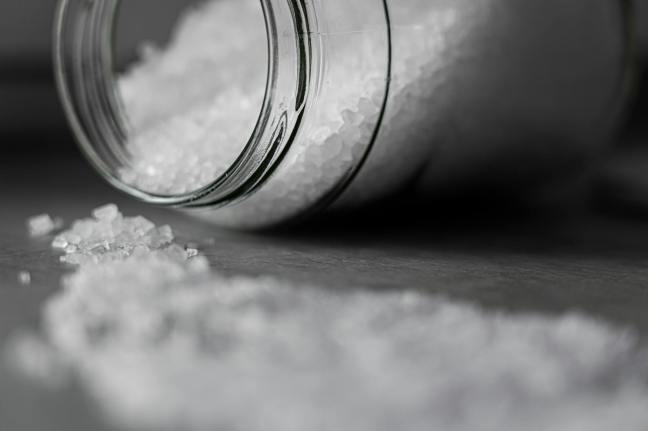
Reducing your salt intake as a ‘healthy’ habit could have negative consequences.

Several studies have discovered that consuming a low-salt diet containing approximately 2,200 milligrammes of sodium per day is sufficient to cause sodium depletion.

Salt has long been a contentious food element in the area of fitness and health. While sodium is a vital component of our bodies, excessive consumption can have an impact on cholesterol levels, blood pressure, heart health, and other factors. In fact, our understanding of salt and its impact is always evolving. But did you know that reducing salt intake can have a detrimental influence on your health?

Dr. James DiNicolantonio, a cardiovascular research expert, posted a video on Instagram describing why even too little salt can be hazardous for you. According to him, it may disrupt your sleep, causing you to toss and turn in bed all night long.

Relationship Between Salt and Sleep: How Does a Low-Sodium Diet Affect Your Sleep Pattern?

According to Dr DiNicolantonio, “People that were put on a low salt diet, because of the activation of the sympathetic nervous system, had a worsening in their sleep. So, we know that actually from a clinical perspective, this increase in the sympathetic nervous system is a true stress response and can affect sleep.” He went on to explain that multiple studies have shown that having a low-salt diet containing roughly 2,200 milligrammes of sodium per day is adequate to cause sodium depletion, which increases tension in the body and affects sleep patterns.

A study published in the Journal of Clinical Endocrinology and Metabolism found that a reduced sodium diet is associated with disrupted sleep patterns, namely decreased rapid eye movement, slow wave sleep, and increased alertness.

“These sleep changes are similar to those seen in normal-aged adults, who also undergo elevations of daytime and nighttime plasma norepinephrine,” the study read.

Dr. DiNicolantonio also highlighted that, in addition to hurting our sleep, a low sodium diet can decrease bone health by removing vital minerals from the body, such as calcium and magnesium.

While healthcare professionals never recommend adding too much salt/sodium to your diet, they do suggest eating it in moderation to maintain a healthy physique. I recommend that you visit an expert to determine how much salt you can add to your diet on a daily basis for better health.

Study: Omega-6 unsaturated fats could lessen the risk of bipolar disorder

Omega-6 fatty acids, which are typically found in eggs, poultry, and seafood, may lessen the risk of bipolar illness, according to a world-first study conducted by the University of South Australia.

Using Mendelian randomization, an effective causal inference method, researchers analysed 913 metabolites in 14,296 Europeans and discovered 33 (mainly lipids) correlated with the risk of bipolar disorder.

Mendelian randomization (MR) is an instrumental variable estimation method that utilizes germline genetic variation, typically in the form of single nucleotide polymorphisms (SNPs), as a proxy for a putative exposure. This approach aims to test and estimate the causal effect of exposure on an outcome using observed data.

Bipolar disorder is a severe mood illness defined by recurrent periods of mania and depression. Although the exact cause is unknown, previous research has revealed that bipolar disorder is highly heritable. If a parent develops bipolar, a child has a one in ten likelihood of developing the disorder.

One in every eight individuals worldwide suffers from a mental illness, with around 40 million suffering from bipolar disorders. Nearly 3% of Australians (568,000 over the age of 16) suffer from bipolar disorder.

Dr. David Stacey, the chief researcher, said the new findings pave the way for innovative potential lifestyle or nutrition therapies.

“There’s growing evidence to suggest that metabolites play a key role in bipolar and other psychiatric disorders,” Dr. Stacey says.

“This is extremely encouraging, because if we can find factors that connect certain health conditions, we can identify ways to negate these through potential lifestyle or dietary interventions.

“In this study, we found that a genetic propensity for higher levels of lipids containing arachidonic acid* led to a lower risk of bipolar disorder. And conversely, lower levels of arachidonic acid had a higher risk for bipolar disorder.

“Arachidonic acid can be sourced directly from meat and seafood products or synthesized from dietary linoleic acid (such as nuts, seeds, and oils). But it is also present in human milk, so it is considered essential for infant brain development.

“In fact, in many countries, arachidonic acid is added to infant formula to ensure a child gets the best start to life. So, there is certainly potential to boost this through supplements for people at greater risk of bipolar disorder.

“The challenge is, however, that while we know that arachidonic acid is involved in early brain development, it’s unclear whether supplementation for bipolar disorder should occur perinatally, during early life, or even whether it would benefit those already diagnosed.”

Professor Elina Hyppönen, who co-authored the study, believes that preclinical research and randomised controlled trials are necessary to evaluate the preventative or therapeutic effectiveness of arachidonic acid supplements in the treatment of bipolar disorder.

We need further studies to rigorously assess the potential for arachidonic acid supplementation in bipolar disorder prevention and treatment, particularly in people who carry genetic risks. While our findings support potential avenues for precision health interventions for early life nutrition for babies’ brain development, we need to know more about the connection with bipolar disorder. If we can establish how, why and when people respond to arachidonic acid supplementation, then we will be one step closer to helping people who are struggling with this serious and lifelong mental health condition.”

Professor Elina Hyppönen

Source: University of South Australia

Journal reference:

Stacey, D., et al. (2024). A metabolome-wide Mendelian randomization study identifies dysregulated arachidonic acid synthesis as a potential causal risk factor for bipolar disorder. Biological Psychiatrydoi.org/10.1016/j.biopsych.2024.02.1005

Senegal’s President Diomaye Faye Appoints Ousmane Sonko as Prime Minister

wp-17121457870258946077762240203987

Senegal’s top opposition leader Ousmane Sonko, right, and his key ally Bassirou Diomaye Faye address supporters in Dakar, Senegal, Friday March 15, 2024.  –  credit: © africanews

In a historic moment for Senegal, President Diomaye Faye, at 44 years old, assumed office on Tuesday, marking the inauguration of Africa’s youngest elected leader. Faye’s ascension to power represents a remarkable journey from incarceration to the presidential palace in a matter of weeks.

The recent election, which tested Senegal’s standing as a stable democracy in West Africa, saw Faye emerge victorious. His swift rise to prominence comes against a backdrop of political turmoil, with the region grappling with coups and attempted coups in recent years.

Faye’s political journey took a dramatic turn less than two weeks before the election when he and his mentor, the popular opposition figure Ousmane Sonko, were released from prison. Their freedom came as part of a political amnesty announced by outgoing President Macky Sall, following months of protests sparked by their arrests.

During the protests, which saw widespread participation and garnered international attention, rights groups reported dozens of casualties and the arrest of around 1,000 individuals. Concerns had been raised over Sall’s potential bid for a third term, despite existing term limits, fueling the unrest.

In his inaugural address, President Faye paid tribute to those who lost their lives or were detained during the protests, pledging to champion greater sovereignty for Senegal while prioritizing economic prosperity. He acknowledged the electorate’s desire for systemic change, signaling his commitment to addressing the grievances of Senegal’s youth, who have expressed frustration with the country’s trajectory.

Faye, a former tax inspector, assumed his first elected office as president, symbolizing a shift in leadership that resonates with the aspirations of Senegal’s youthful population. His rapid ascent underscores a broader sentiment across Africa, where a burgeoning youth demographic seeks to challenge entrenched political systems and foster inclusive governance.

Gabon Initiates National Dialogue for Democratic Reform

Gabon has embarked on a historic journey towards democratic renewal with the launch of a national dialogue, marking a significant departure from its political landscape dominated by the Bongo dynasty for over five decades. Led by President Felix Tshisekedi, this dialogue signals a pivotal moment in Gabonese politics, offering a beacon of hope for a brighter future.

The initiative, convened by Archbishop Jean Patrick IBa-Ba and attended by over four thousand citizens at the Libreville sports palace, signifies a collective endeavor to redefine Gabon’s trajectory. Among the attendees, a strong sense of unity and determination to advocate for change resonated profoundly.

At the heart of the dialogue lies the aspiration to foster a more just, fraternal, and prosperous Gabon, articulated by Archbishop IBa-Ba. Participants, including transitional senator Armelle Yembi Yembi and trade unionist Sylvain Mayabi Binet, emphasized the importance of equitable distribution of Gabon’s wealth and genuine socio-economic development.

Representing civil society, Nicaise Moulombi, a key figure in the dialogue, highlighted the imperative of transcending past challenges and cultivating a renewed sense of purpose. He expressed optimism about the prospects for positive transformation, citing recent indicators of progress and stressing the significance of vision and determination in shaping Gabon’s future.

The outcomes of the national dialogue are slated to inform legislative measures, laying the foundation for a new constitution to be subjected to a referendum. This democratic process will empower the Gabonese people to directly contribute to shaping the country’s governance framework, marking a significant step towards democratic consolidation.

Police Ladies Advance in Women’s FA Cup After Victory Against Ampem Darkoa Ladies

Police Ladies continued their impressive journey in the Women’s FA Cup by defeating holders Ampem Darkoa Ladies 2-1 in a thrilling quarter-final match on Sunday, March 31st.

The match began with Juanita Aguadze giving Police Ladies an early lead, finding the net in the eighth minute. However, Ampem Darkoa Ladies responded with determination, equalizing through Latifa Abesik in the 52nd minute.

Despite the momentum shift, Police Ladies demonstrated resilience, reclaiming the lead with a goal from substitute Sophia Mabena Agyaakwa in the 57th minute. Ampem Darkoa Ladies were awarded a late penalty opportunity to level the score, but they failed to capitalize, securing Police Ladies’ well-deserved victory.

Police Ladies will now face Supreme Ladies in the semi-finals, who secured their spot after a penalty shootout victory against Nasara Ladies following a 1-1 draw in regular time.

In another compelling match at the Auntie Aku AstroTurf, Division One League side Epiphany Warriors emerged victorious against Jonina FC with a 2-1 win. Sonia Opoku opened the scoring for the Warriors in the 61st minute, followed by Leticia Adjei’s dramatic goal in the 112th minute of extra time. Jonina FC managed to pull one back through Eunice Kpentey’s penalty in the 85th minute, but it was not enough.

The Epiphany Warriors, the only Division One League team remaining in the tournament, now face the formidable challenge of Army Ladies in the next round of the Women’s FA Cup.