Iran has arrested many of its citizens for taking part in the protests sweeping the country. One woman who has been arrested twice by Iranian forces for taking part in the protests says, police detained several protesters in basement of homes due to full jail cells.

Speaking to Sky News through voice notes sent via an encrypted messaging app, she talked about her experience and why she is prepared to risk her life to make a difference in Iran.
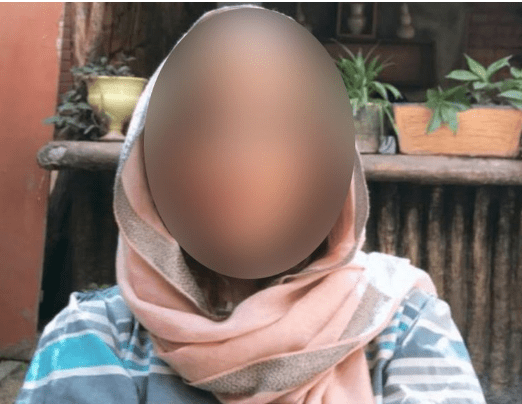
Mina, a scholar in her early 30s was focused on her PhD studies in the Kurdish region of Iran, before the death of Mahsa Amini in mid-September.
Now, she says, the daily lives of Iranians and Iranian Kurds have changed due to the ongoing protests sparked by the death of a young woman.
Mina usually studies in the library and hangs out with her friends. Instead, a few days ago, she was arrested by the regime’s intelligence office and placed in solitary confinement.
“This is a place where detainees are not transferred into the justice system. They undergo beatings and torture,” she elaborated.
The torture sometimes is physical, psychological or a combination of the two. Mina is too afraid to delineate what happened to her in her voice messages.
Two of her friends were recently released from a juvenile detention center in Sanandaj, the capital of the Kurdish region.
Mina describes their experiences: “When women’s rights activists are detained, they [the police] don’t attack you physically.
“Instead [the police] threaten, intimidate and try to frighten them. They insult people’s beliefs. It is an intense psychological violence.
“That woman’s future is then also targeted. They can make the woman lose her job and make her life difficult. This creates crippling fear.”
Mina after being held in a cell, was transferred to a building she describes as a house. She was held there once again in solitary confinement until her recent release.
Mina believes the authorities have arrested so many people that they have run out of cells to hold them.
She knows of two other student protesters who were also held in a basement of a home.
“They were held for a week in a huge basement full of protesters. They told me that they were beaten by cables and iron sticks.
“The jails are full of prisoners so now they use houses and basements to detain protesters.”
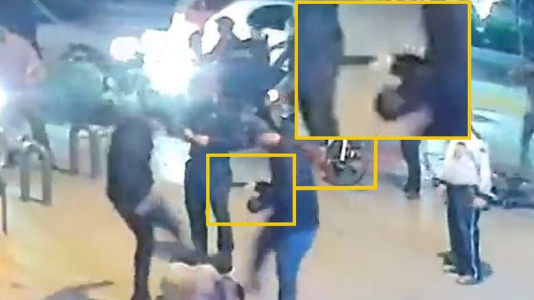
According to Iranian human rights activist News Agency, 244 protesters were killed, including 32 children. “When we speak about fear for life, every person in this movement fears for their own lives and the lives of their fellow protesters,” she says, reflecting on the events of the current and past protests.
“We see guns firing in front of us. We have woken in the night shocked out of sleep at the sound of bullets, sirens and the smell of gunpowder and burning on the streets. We see how many people are being killed so the fear of losing one’s life still exists.”
Mina on protesters who survive: “Many of us are concerned about what is going to happen and about the heavy price we have paid inside the country because of the protests and strikes.
“We are also afraid of the hope we have pinned on change. Our fear and concern is that this hope will be lost or crushed.”
Tensions are rising in Iran’s Kurdish regions of which Mina and Amini call home. A recent investigation follows an intensification of Iranian security forces’ crackdown on Iranian Kurds.
Confirmed online video shows police on motorcycles riding through the streets, shooting at civilians. Plainclothes policemen hide among them in the crowds. A video released by the human rights group Amnesty International shows tear gas and bullet shells lying on the floor.
Video from Sanandaj shows security forces patrolling and firing at a residential area. Some of the men were heavily armed and nearly all had their faces covered as they appeared to be shooting at local shops and people’s homes.
Mina fears that police brutality may have weakened the morale of some protesters.
“I think these protests will continue but maybe not with the intensity of the first days and weeks, partly because the crackdown has intensified. But, I think some people will continue despite that.”
Iranian Kurds have been protesting since Amini’s death, with an image showing huge crowds at her funeral on 17 September.
Mina recalls the worry she and those around her felt for the 22-year-old, who died after being detained by police who claimed she wore her hijab (head covering) “improperly”.
“Yes, the current protest started with the death of Jina but this is about institutional violence against all the people and all the individuals living in this society,” she explained.
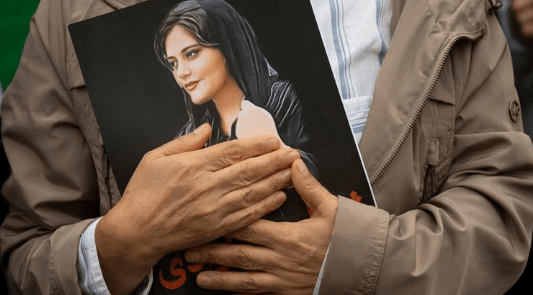
Mina hopes and desires for a ‘’fundamental change”.
She acknowledges that change may or may not occur, but the fact that the protests continue in the presence of militaristic police shows that the seeds of anger that arose after Amini’s death are taking root and perpetuating in today’s Iranian society.
“I and many other people have concluded that maybe it is true that change will not happen right now but in the coming months or years, it will achieve the result people want. So hopefulness is greater than hopelessness. We will continue.”
 Unique observer 24